



MORE CAST »


Corporate Sponsors









February 13 – 15, 2026 | San Diego Civic Theatre
February 13 – 15, 2026
San Diego Civic Theatre
Music by Gioachino Rossini
Libretto by Cesare Sterbini
Conducted by Yves Abel
Directed by Chuck Hudson
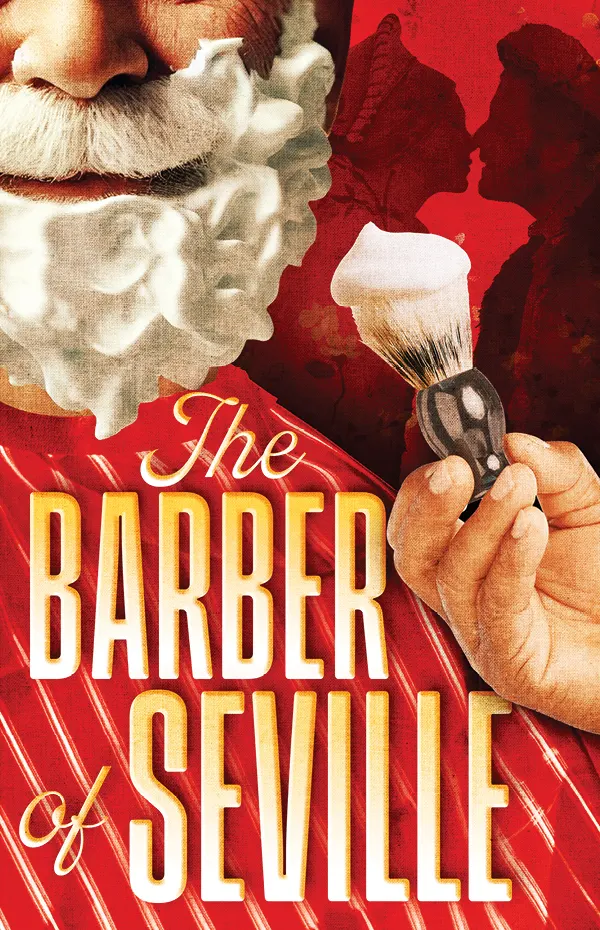
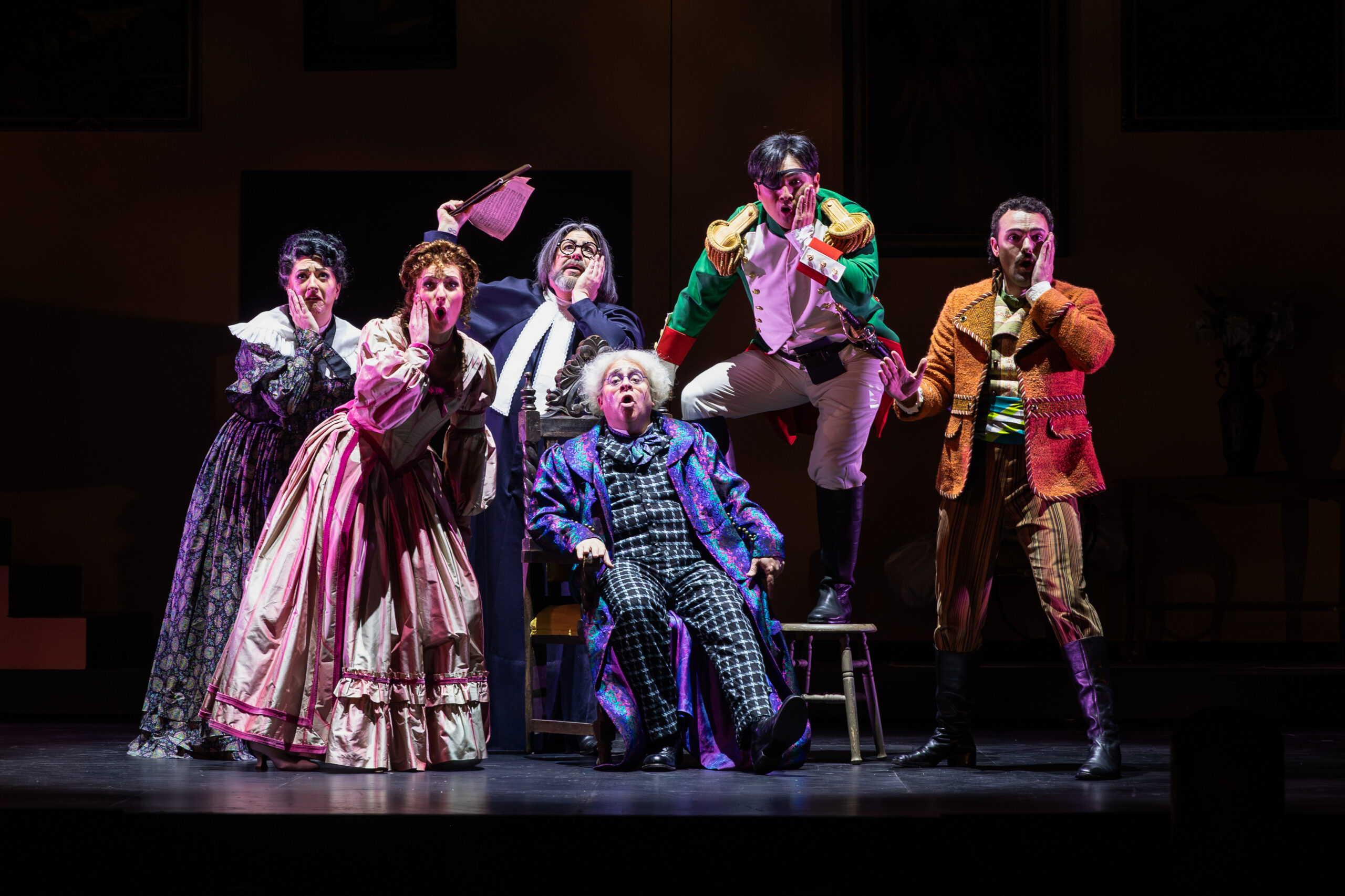
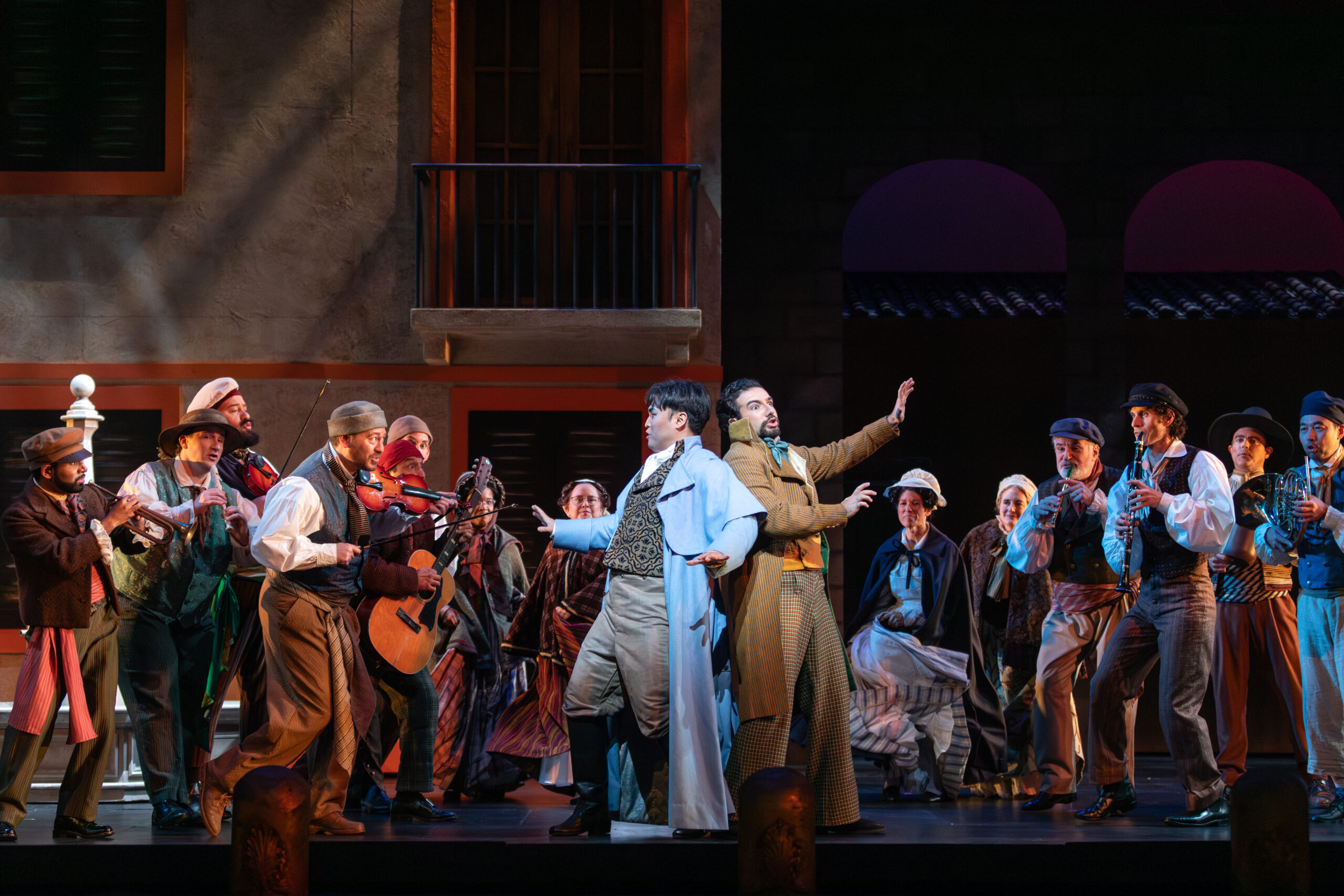
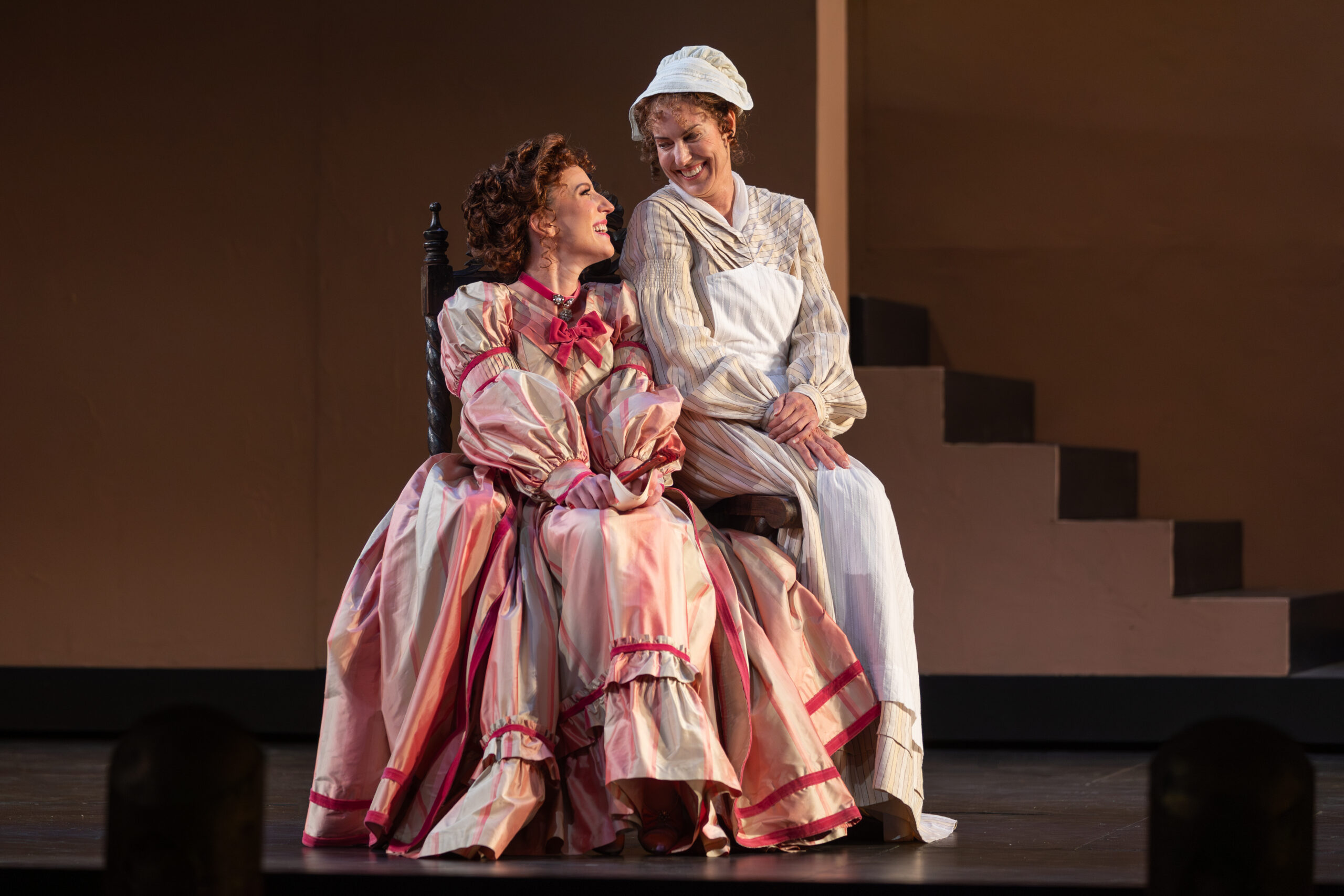
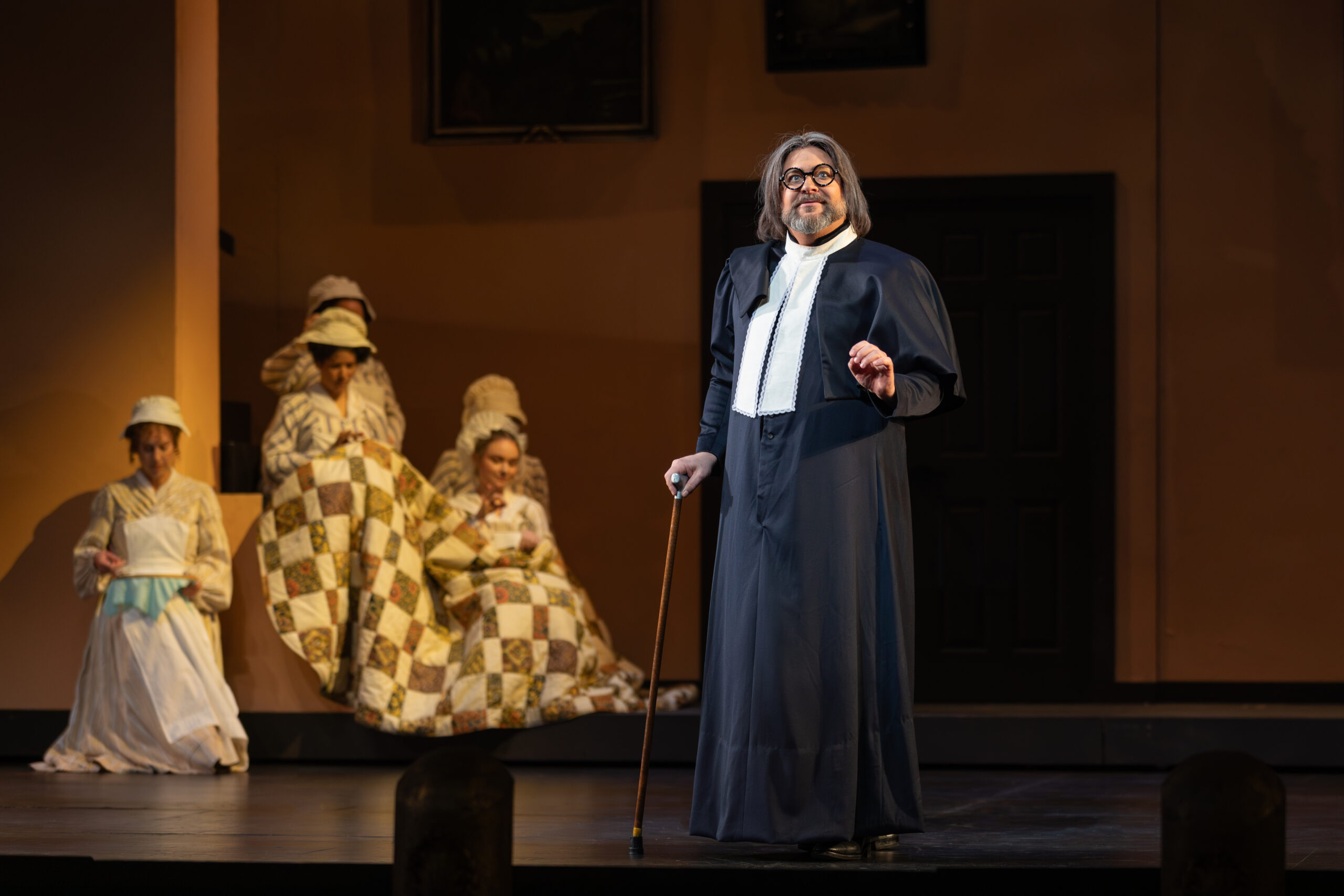
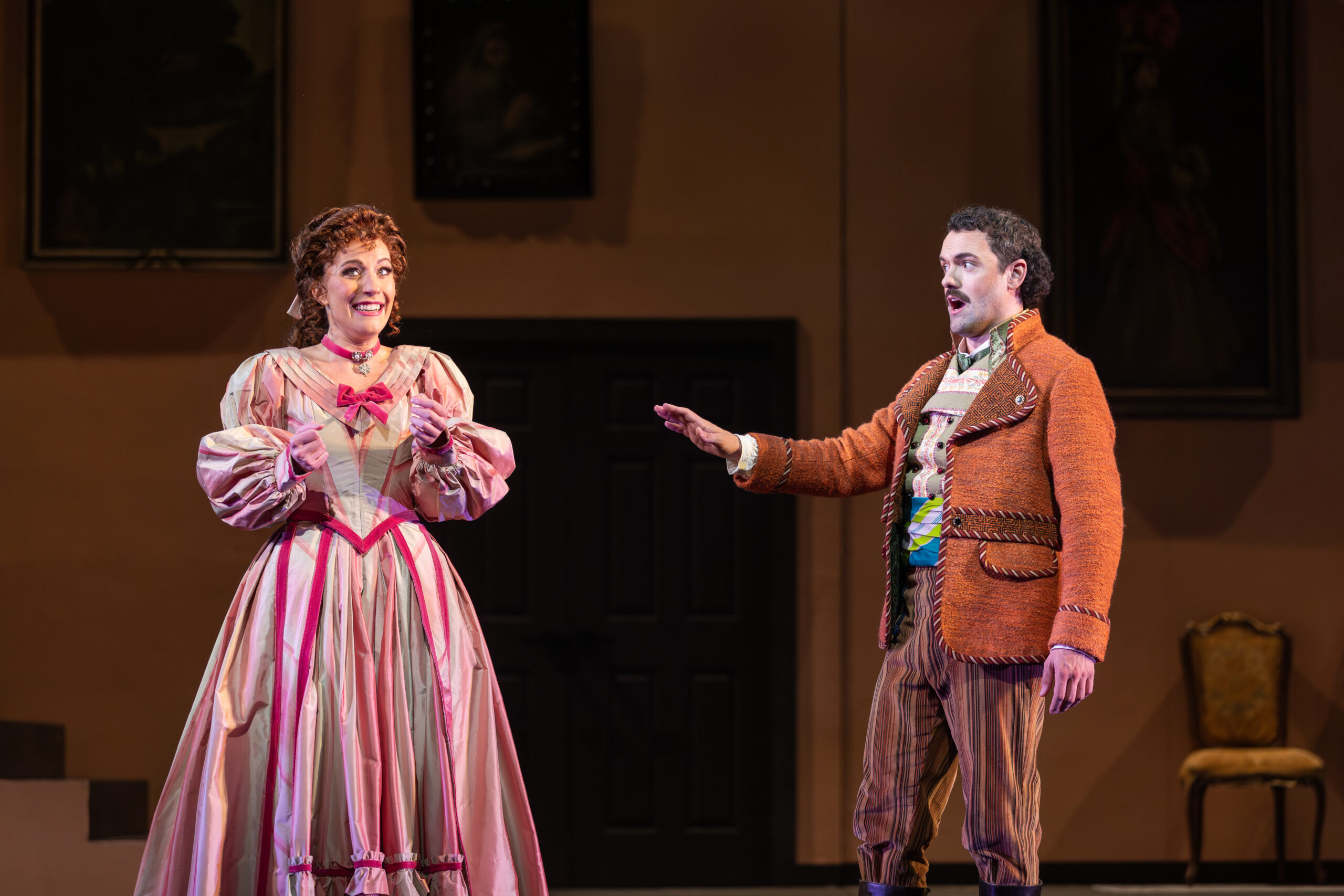
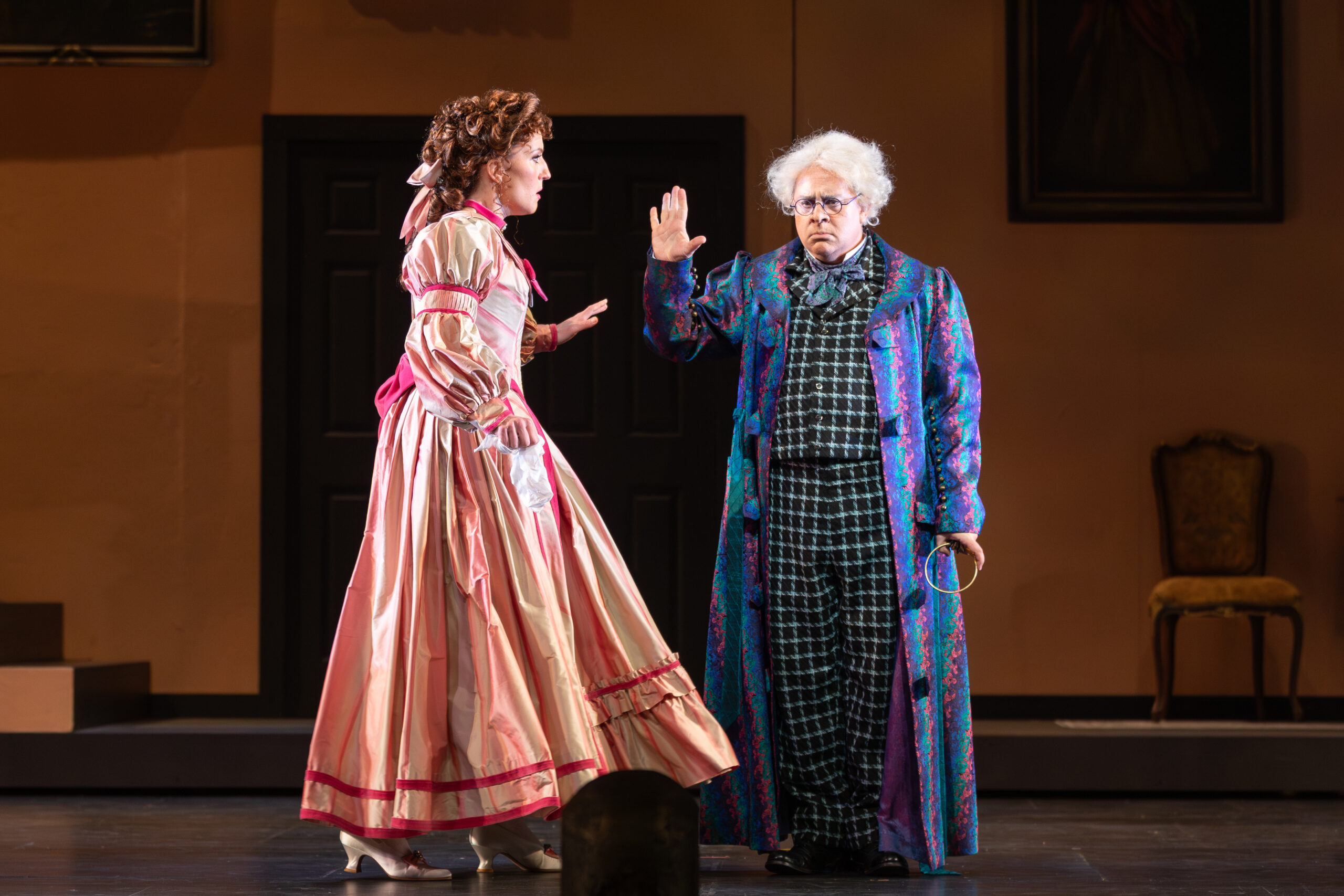
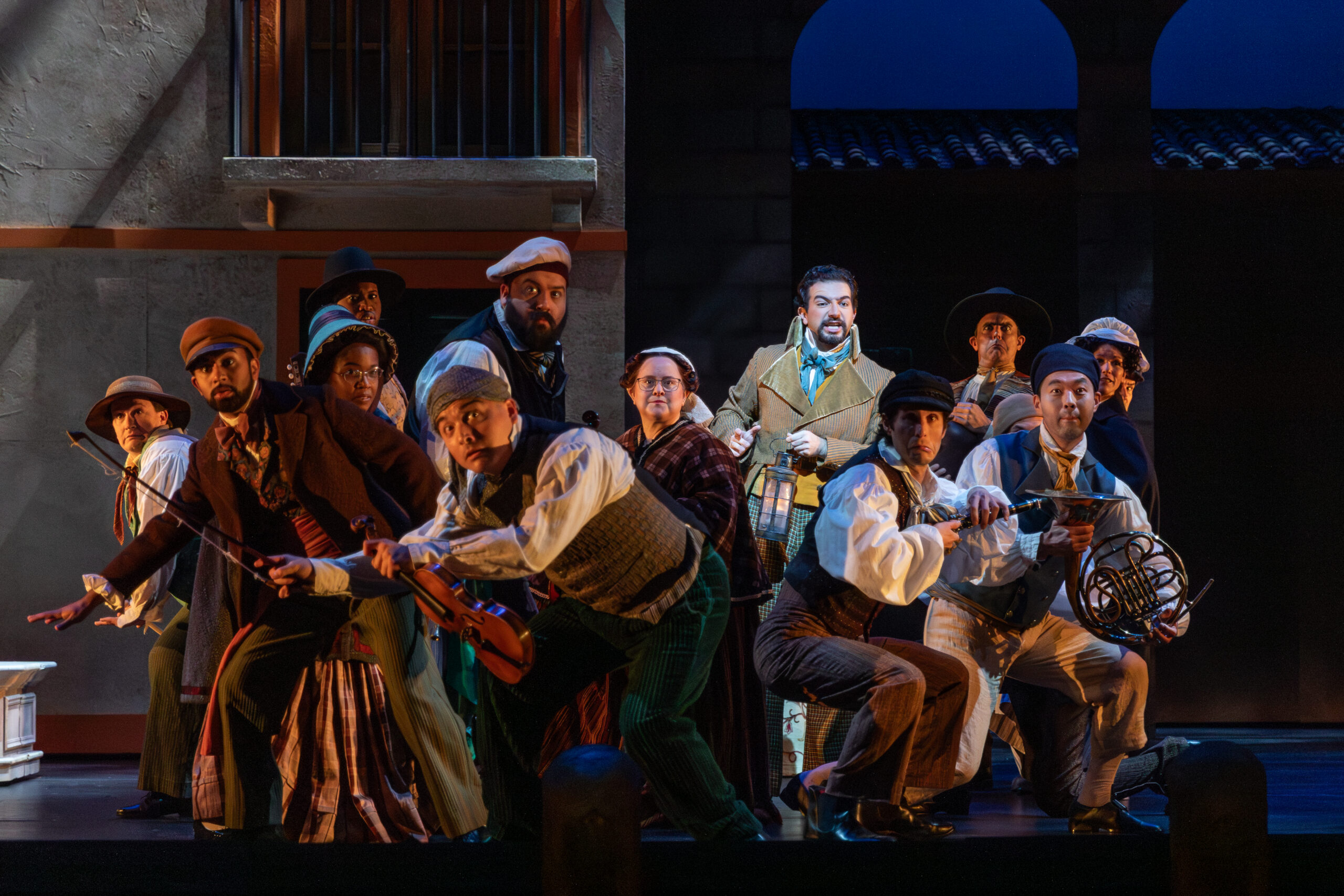
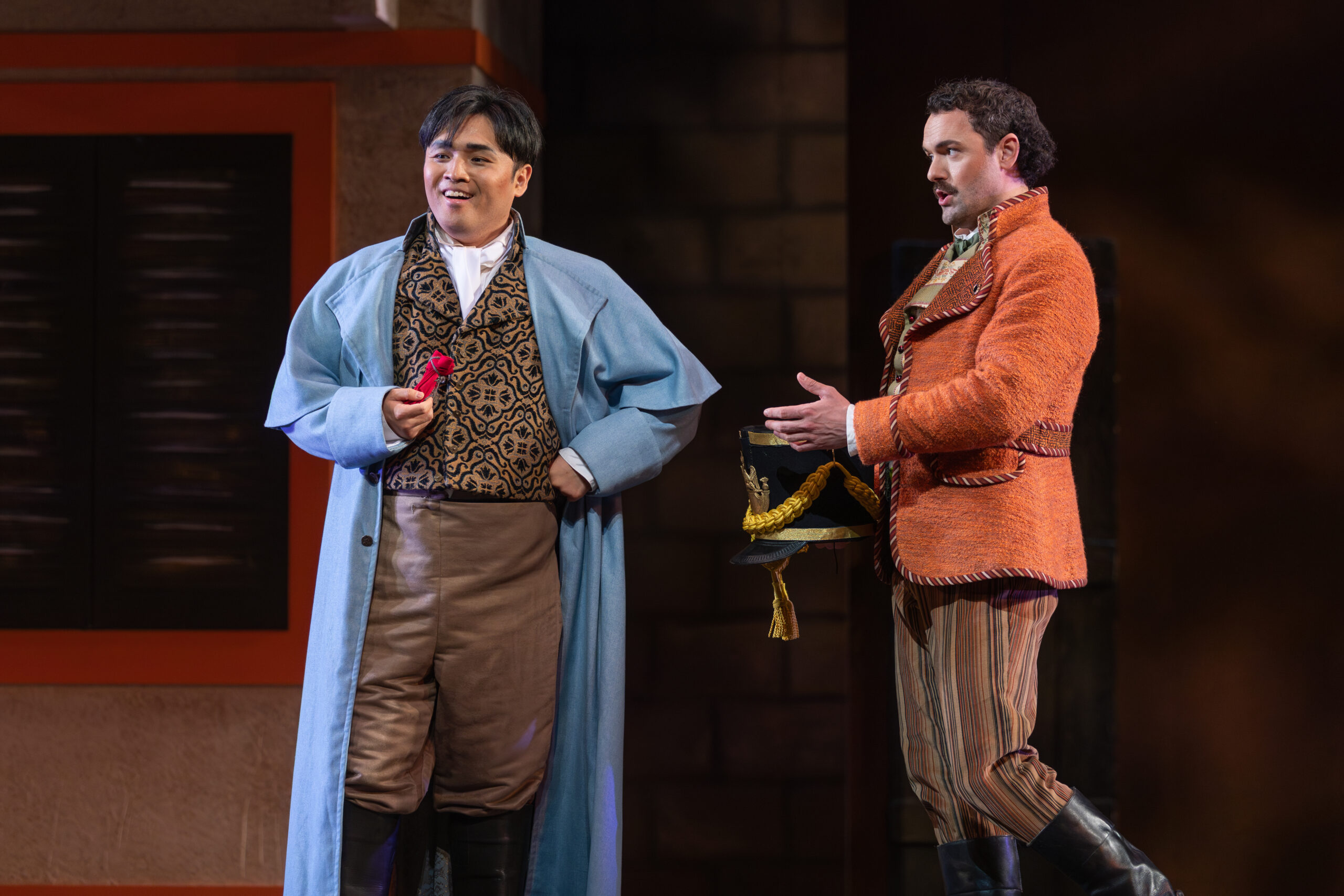
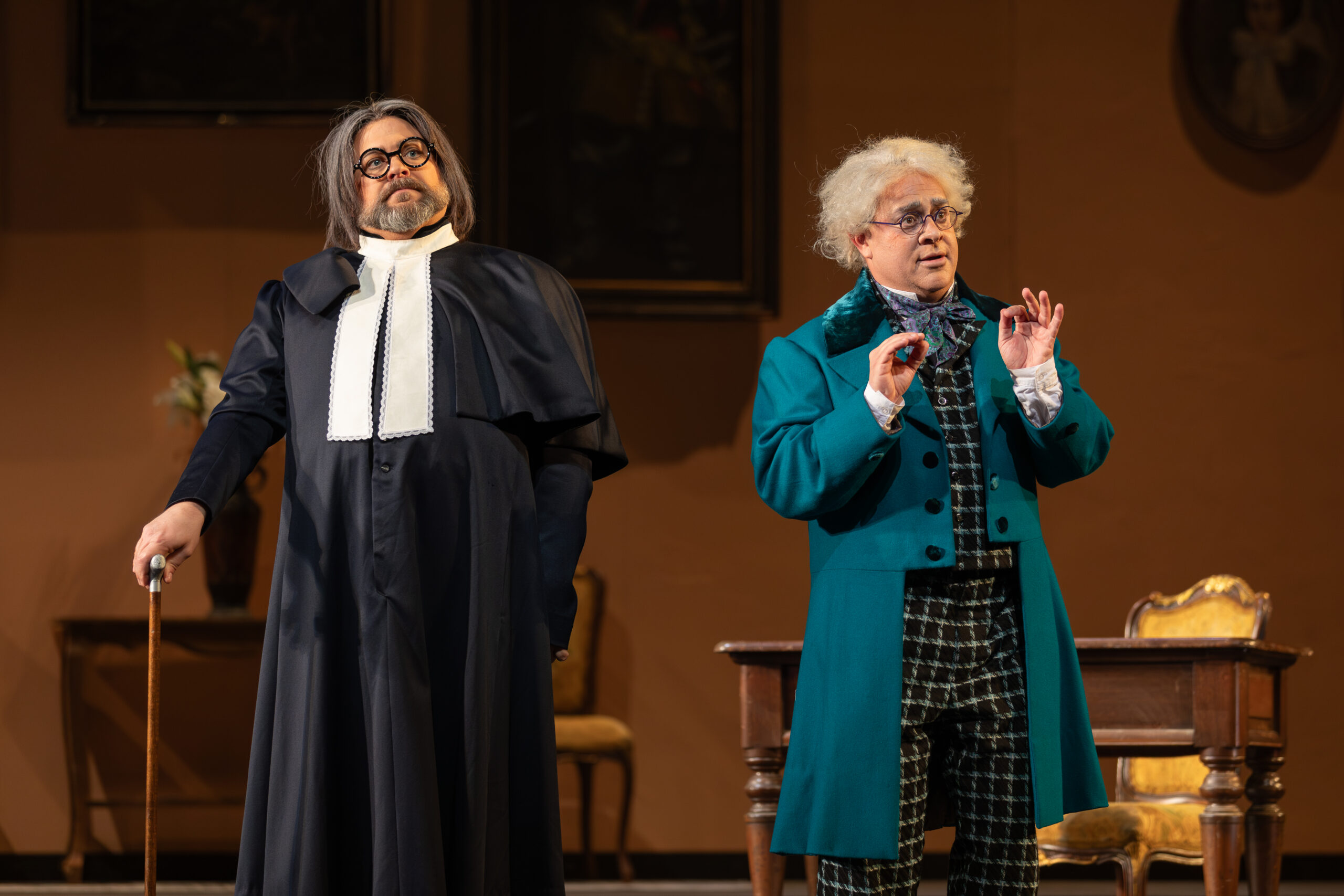
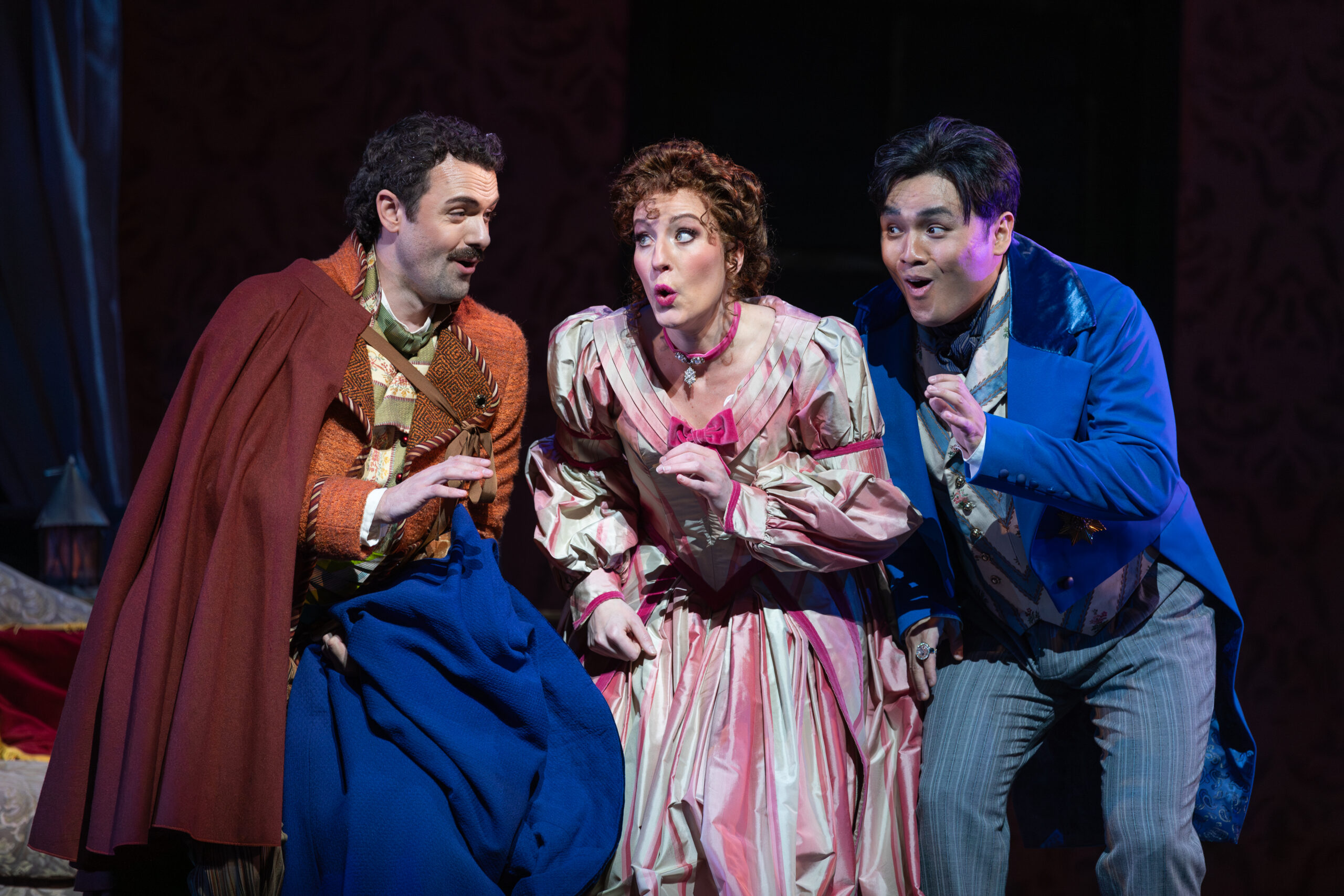
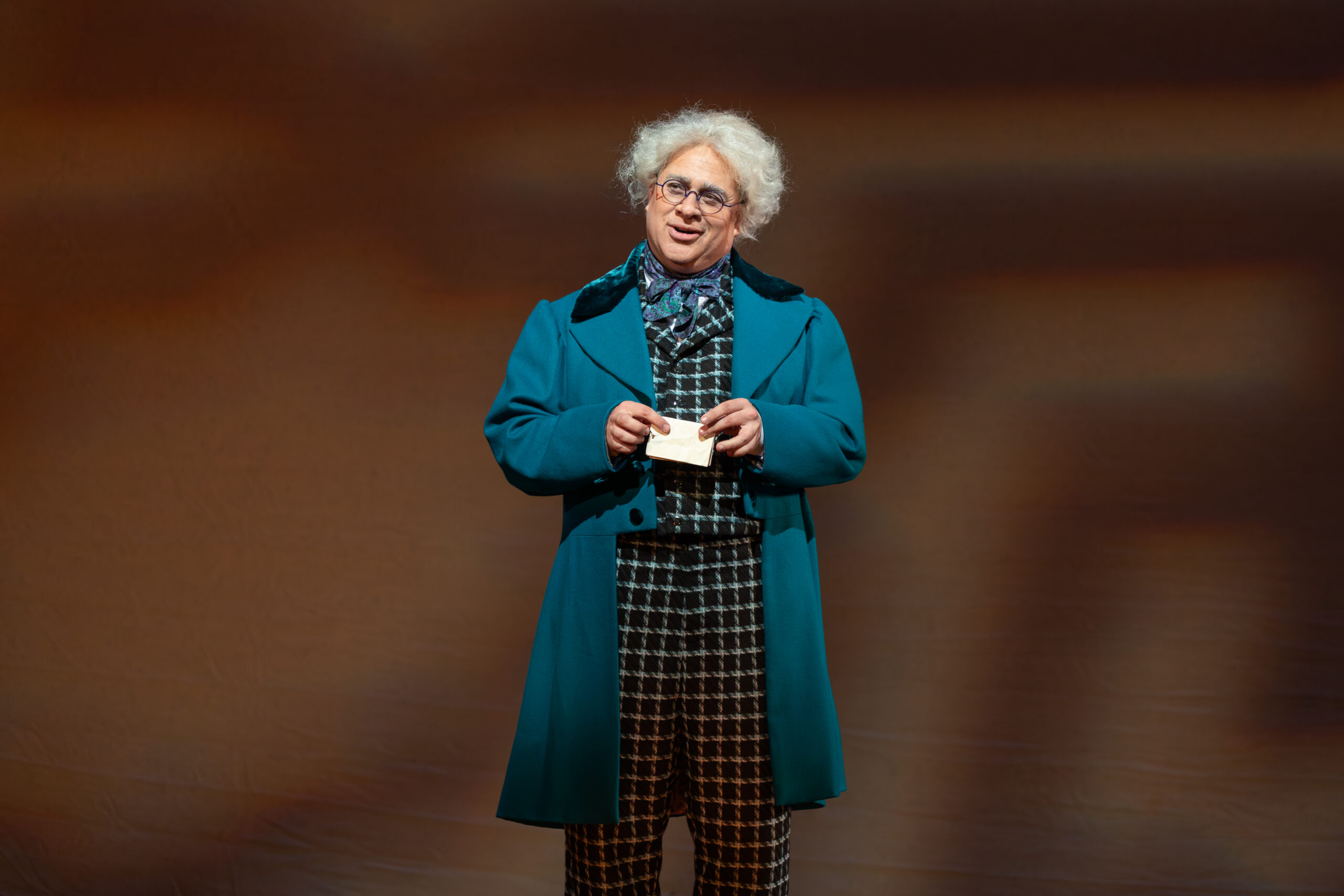
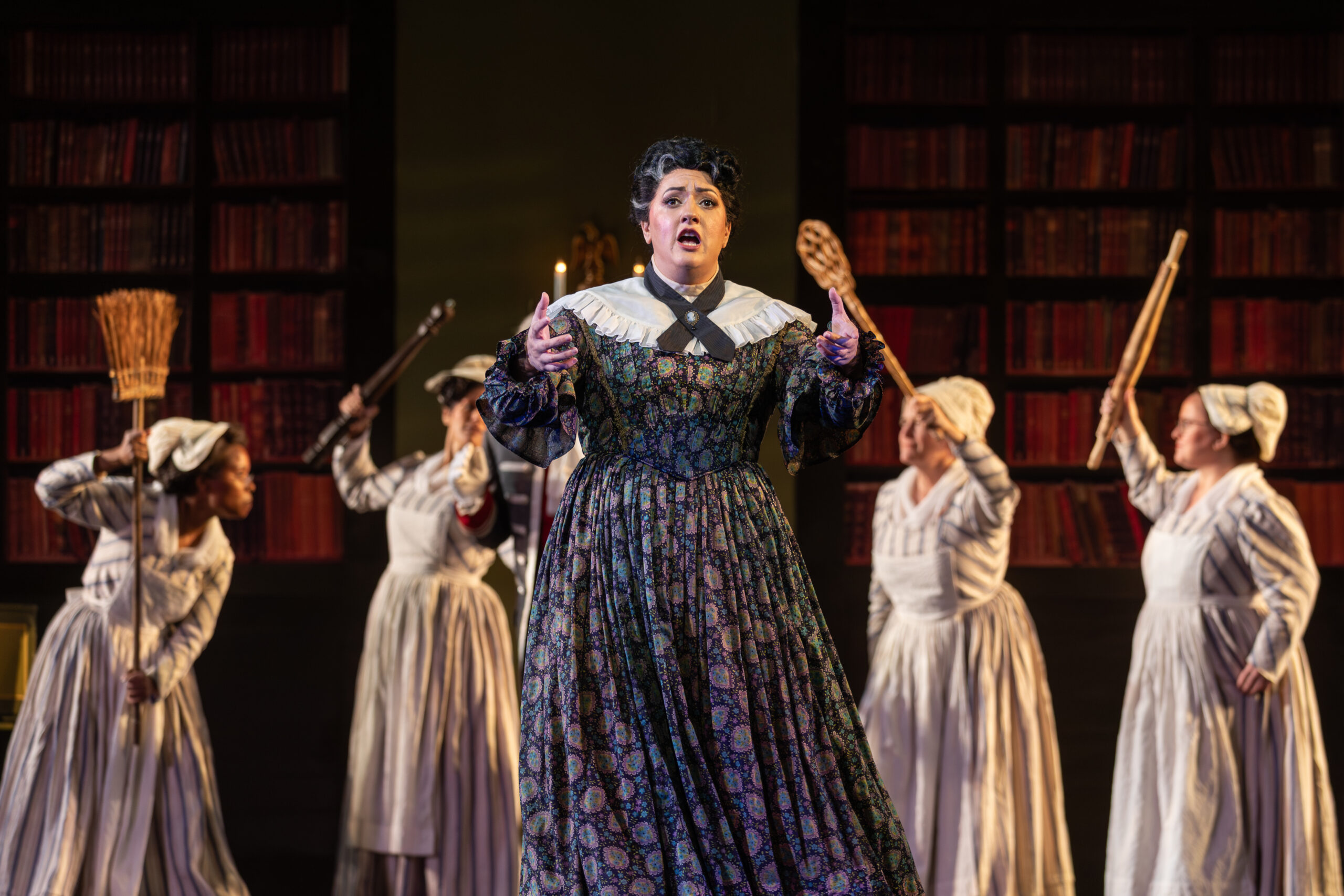
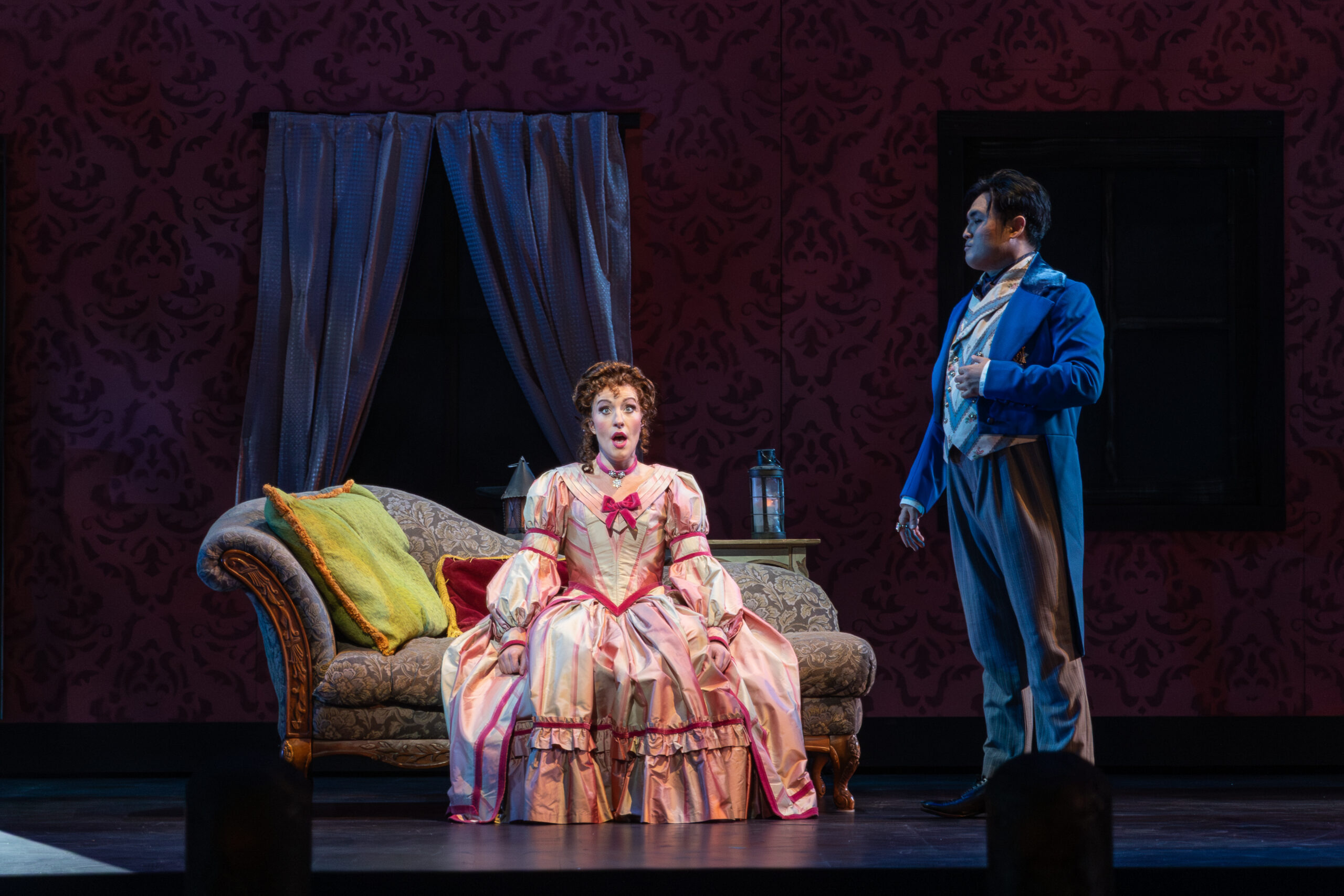
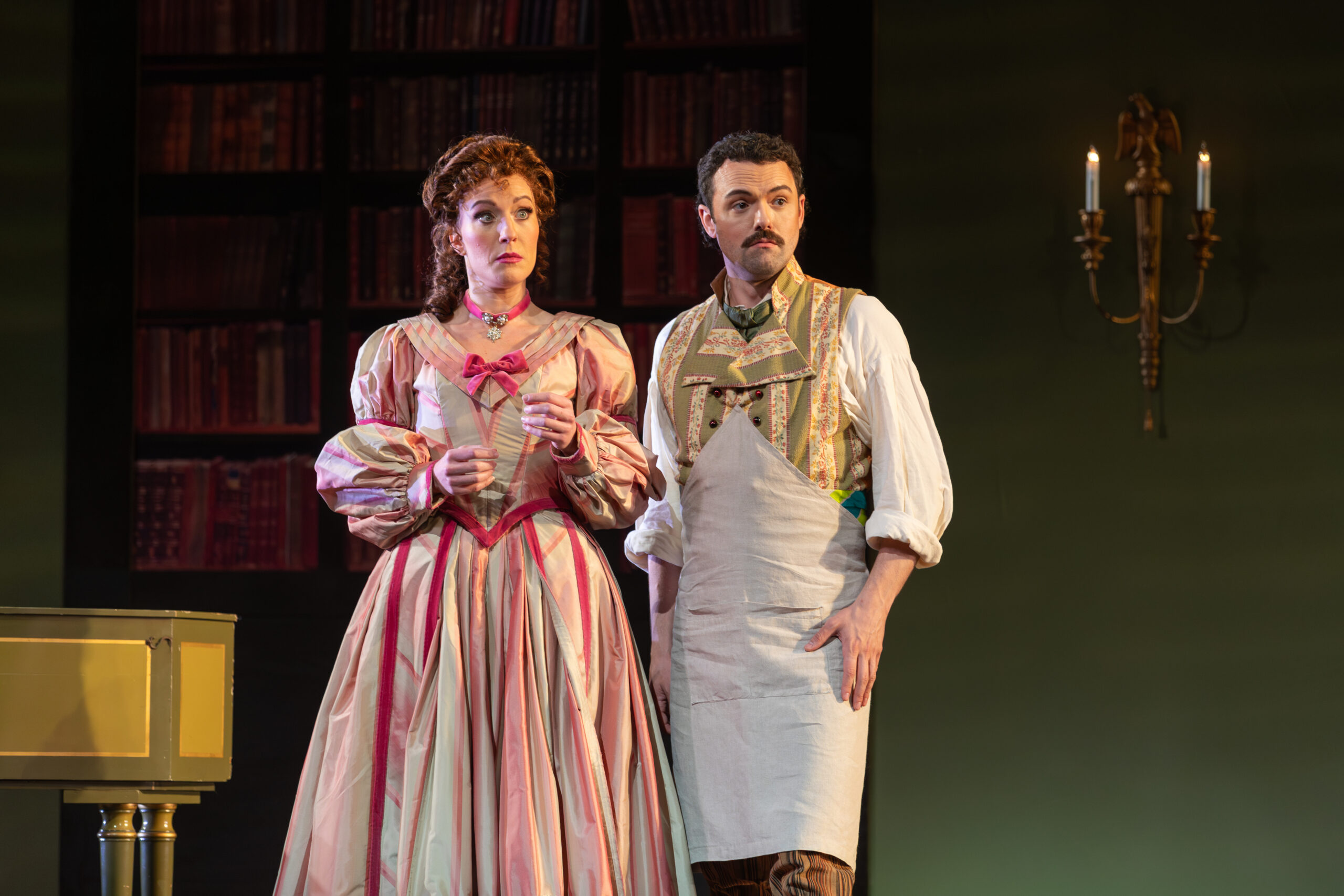
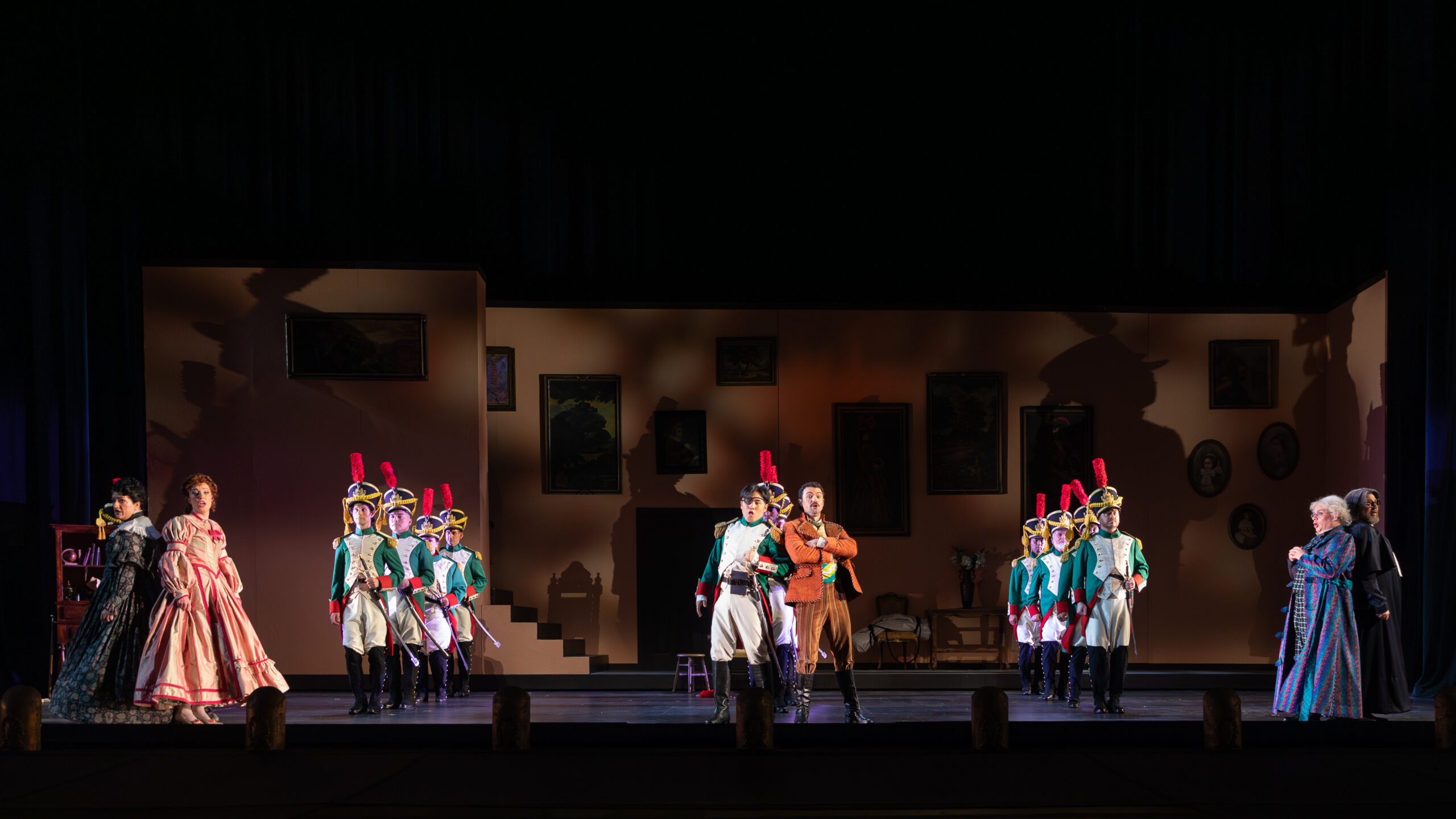
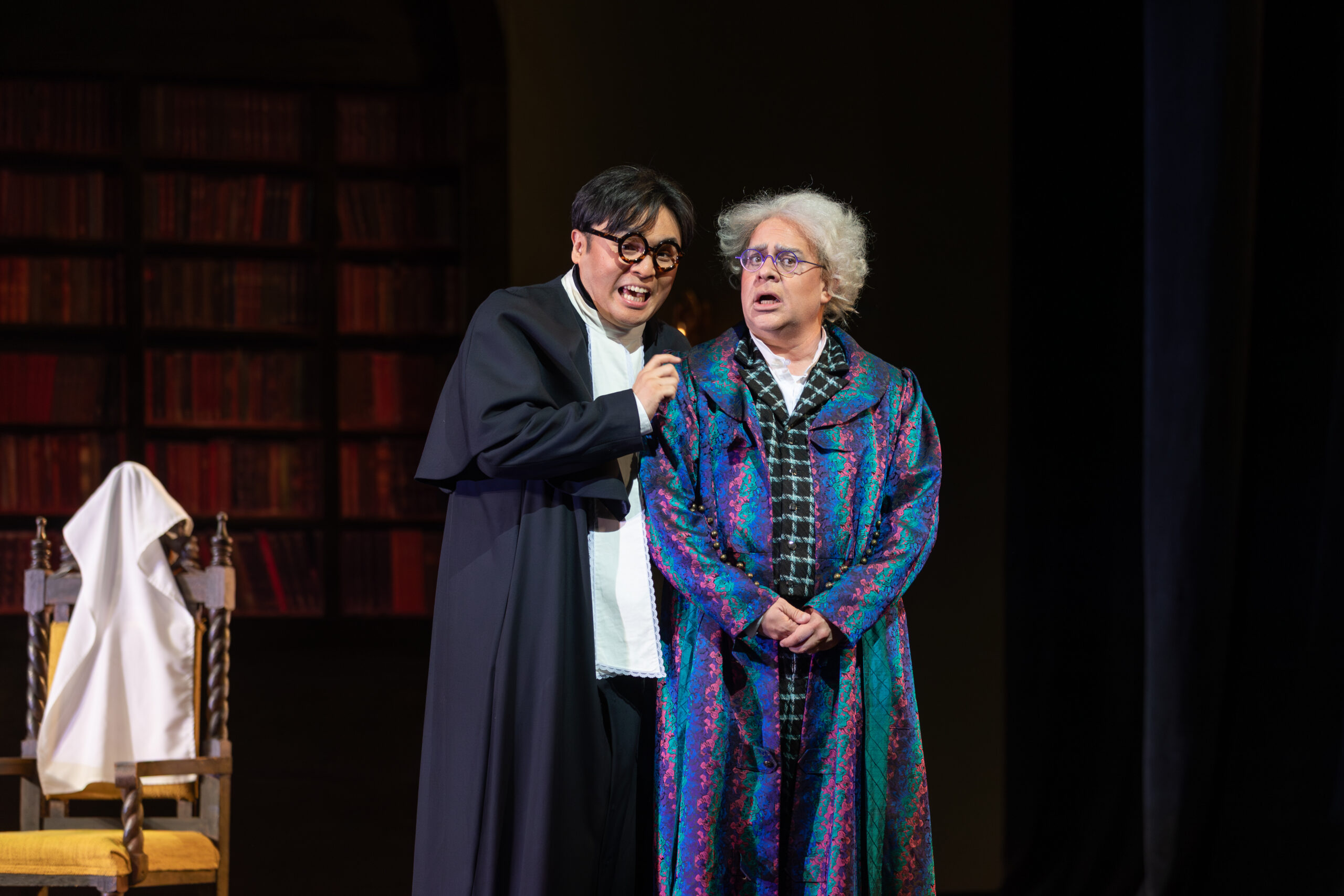
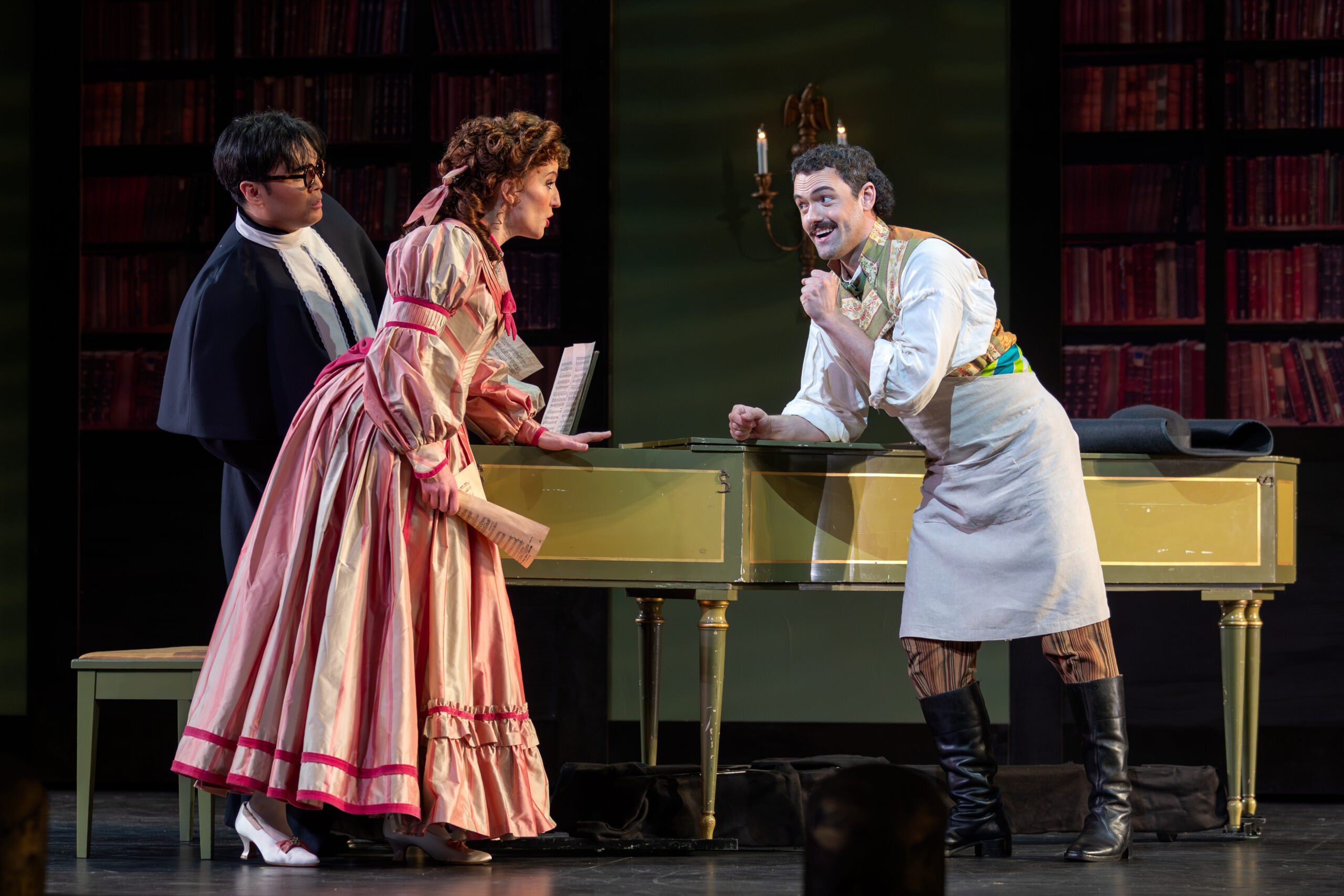
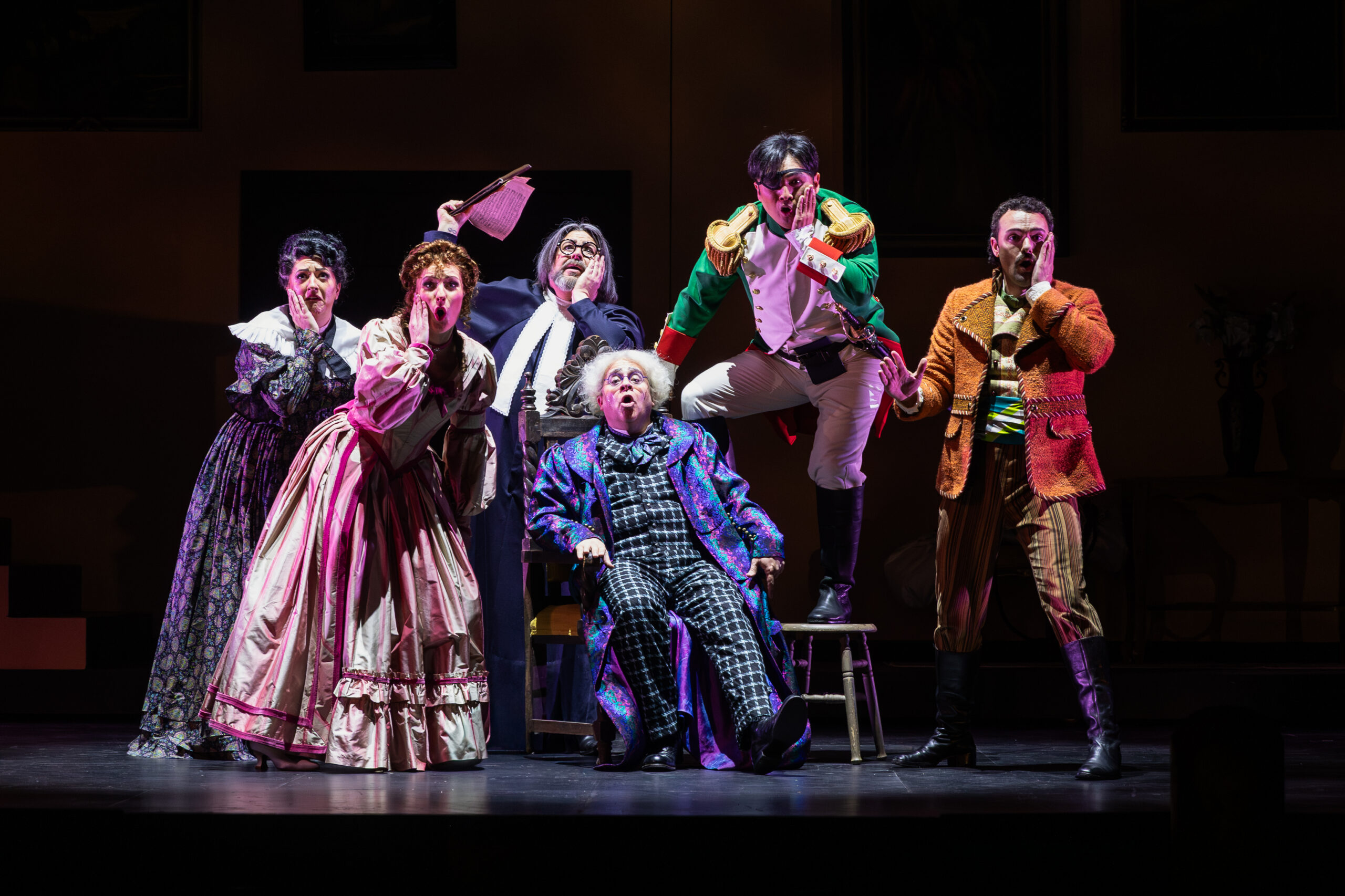
Rossini’s hilarious prequel to Mozart’s The Marriage of Figaro was considered a must-see long before Bugs Bunny brought its frenetic overture to an even larger audience. Count Almaviva is in love with the beautiful Rosina, but how can he get past her paranoid and greedy guardian, Dr. Bartolo? Enter the charismatic, quick-witted barber Figaro, who will stop at nothing to play matchmaker for his lovesick friend. Filled with side-splitting hijinks, mistaken identities, and some of the most popular opera music ever written, this Barber will have you rolling in the aisles before you leave humming Rossini’s infectious tunes.
Sung in Italian with English and Spanish translations projected above the stage.
Performed with the San Diego Symphony Orchestra.
Running time: Approximately 2 hours and 50 minutes including one intermission.
Season Sponsors
Prebys Foundation
City of San Diego
The San Diego Symphony Orchestra is supported, in part, by The Joan and Irwin Jacobs San Diego Symphony and San Diego Opera Collaboration Fund.
Pair The Barber of Seville with Carmen (March 27–29) and/or Fellow Travelers (July 10–12) and save up to 25% off single ticket prices.
Two glasses of Prosecco and chocolate covered strawberries (for two).
Dean Murphy
Figaro
San Diego Opera debut.
Recent and Upcoming: Albert in Werther (Deutsche Oper Berlin); Prince Yeletsky in Pique Dame (Deutsche Oper Berlin); Der junge Herr in Der Protagonist (Teatro La Fenice); The King’s Herald in Lohengrin (Deutsche Oper Berlin); Figaro in The Barber of Seville (Royal Danish Opera, Deutsche Oper Berlin); Marcello in La bohème (Deutsche Oper Berlin); Araldo in Macbeth (Deutsche Oper Berlin); Lord Enrico Ashton in Lucia di Lammermoor (Deutsche Oper Berlin); Marchese D’Obigny in La traviata (Deutsche Oper Berlin); Morales in Carmen (Deutsche Oper Berlin); Marco in Il tabarro (Deutsche Oper Berlin); Silvio in Cavalleria rusticana (Deutsche Oper Berlin).
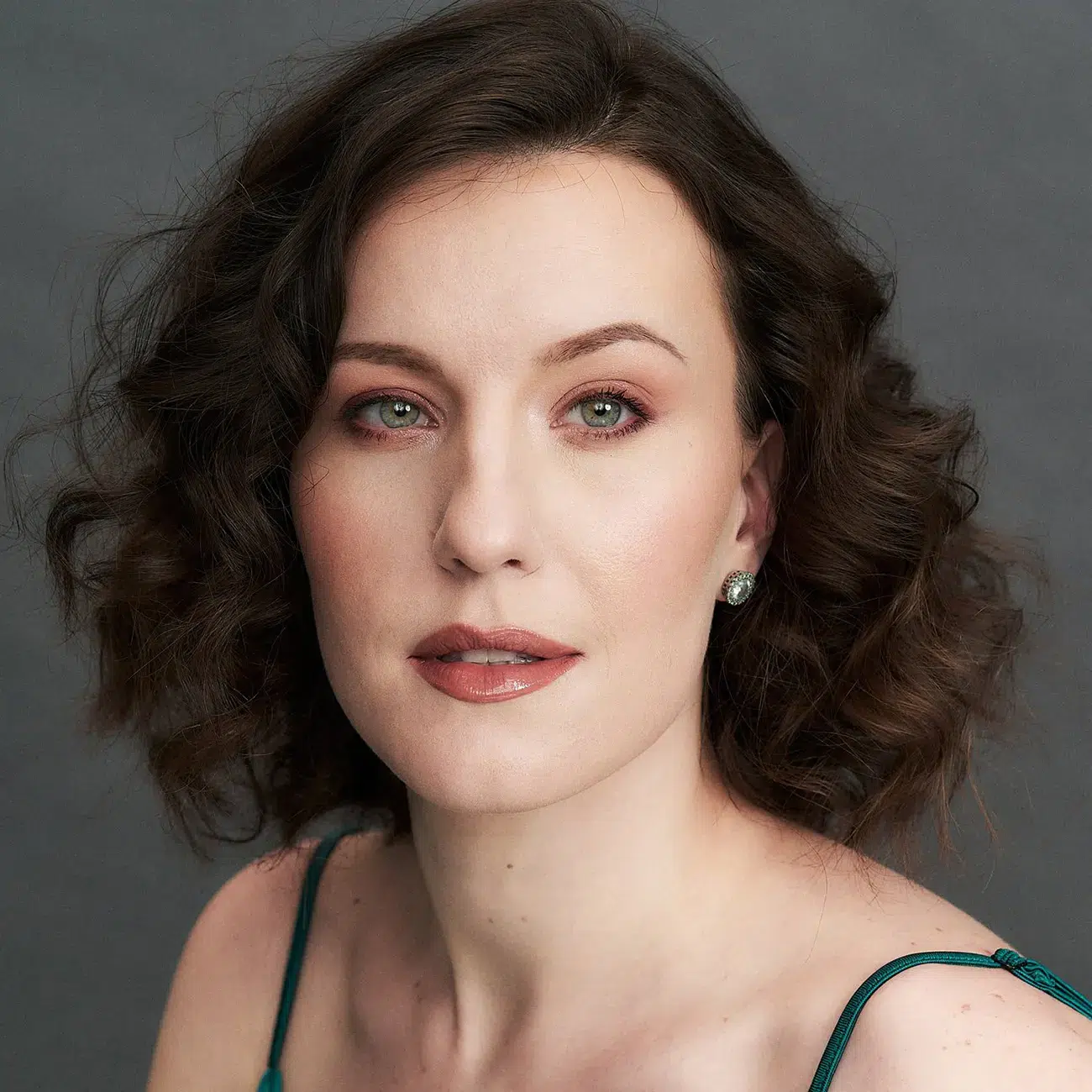
Stephanie Doche
Rosina
San Diego Opera Highlights: Suzuki in Madama Butterfly.
Recent and Upcoming: Angelina in La Cenerentola (Fort Worth Opera); Sesto in La clemenza di Tito (Washington Concert Opera); Title role in Carmen (Tulsa Opera, Opera Memphis); Rosina in The Barber of Seville (Indianapolis Opera, Pittsburgh Opera, Florida Grand Opera, Gulfshore Opera); Piacere in Il trionfo del Tempo e del Disinganno (Opera NEO); Isabella in L’italiana in Algeri (St. Pete Opera); Title role in Ariodante (Opera NEO); La Muse in Les Contes d’Hoffman (Opéra Louisiane); Narciso in Agrippina (Florida Grand Opera); Maddalena in Rigoletto (Florida Grand Opera); Eunice Hubbell in A Streetcar Named Desire (Florida Grand Opera); Romeo in I Capuleti e i Montecchi (Teatro Nuovo).
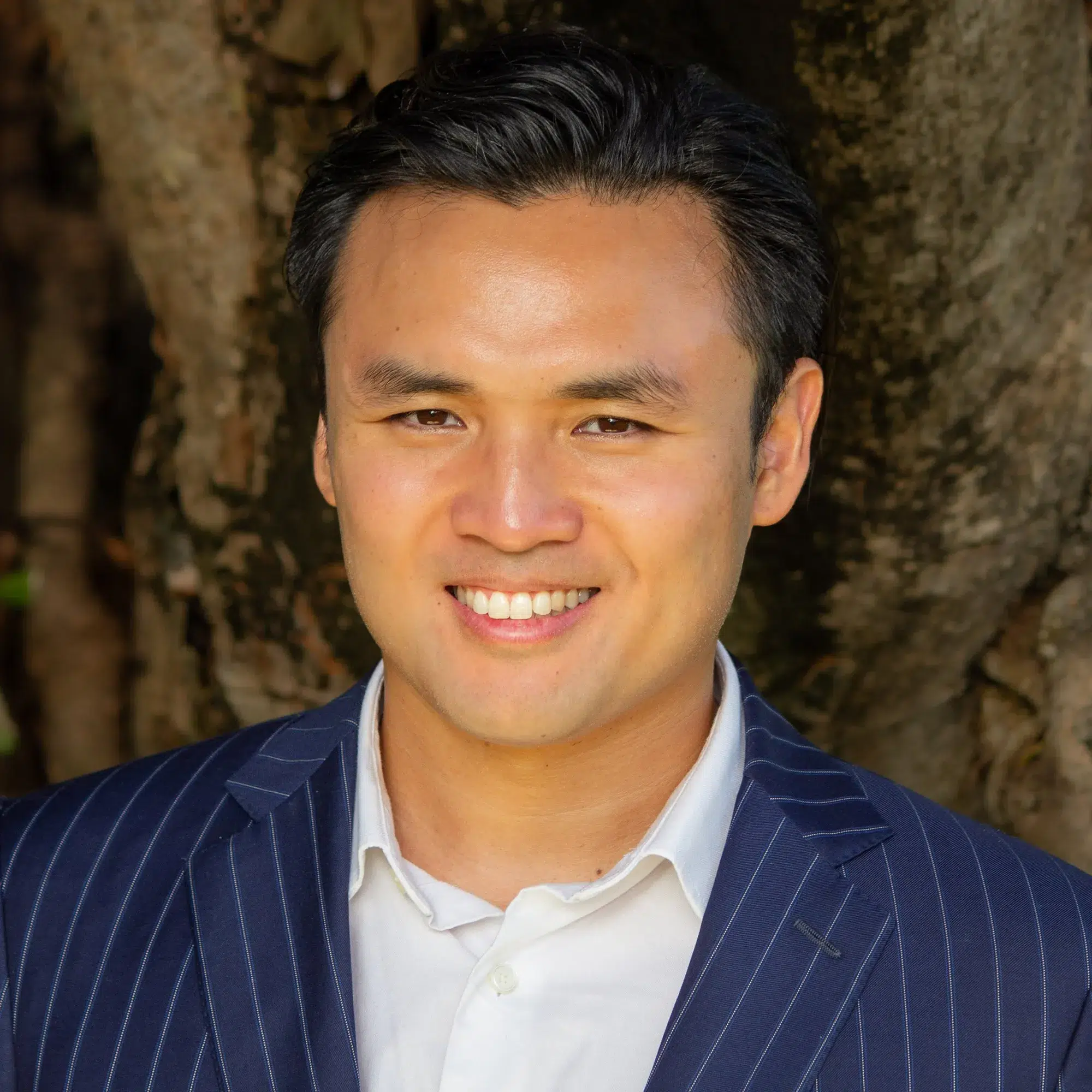
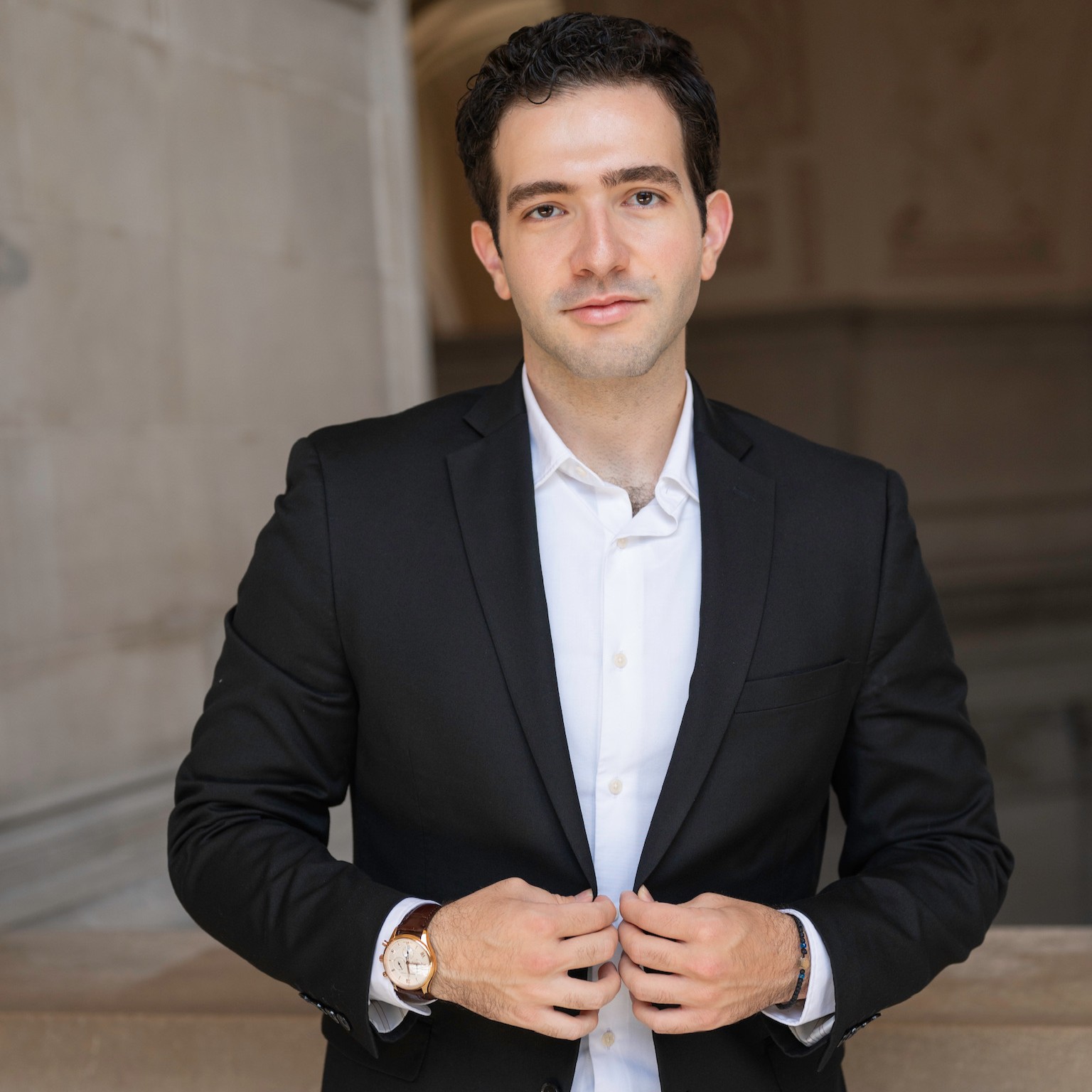
Minghao Liu
Count Almaviva
San Diego Opera debut.
Recent and Upcoming: Title role in Le comte Ory (Merola Opera Program); Count Almaviva in The Barber of Seville (Opera Omaha, Gulfshore Opera, Frost Opera Theatre); Il Cavaliere Belfiore in Il viaggio a Reims (Opera Philadelphia); Tenor in Verdi’s Messa da Requiem (Savannah Philharmonic); Tancredi in The Leopard (American Opera Project); Alfred in Die Fledermaus (Opera in Williamsburg).
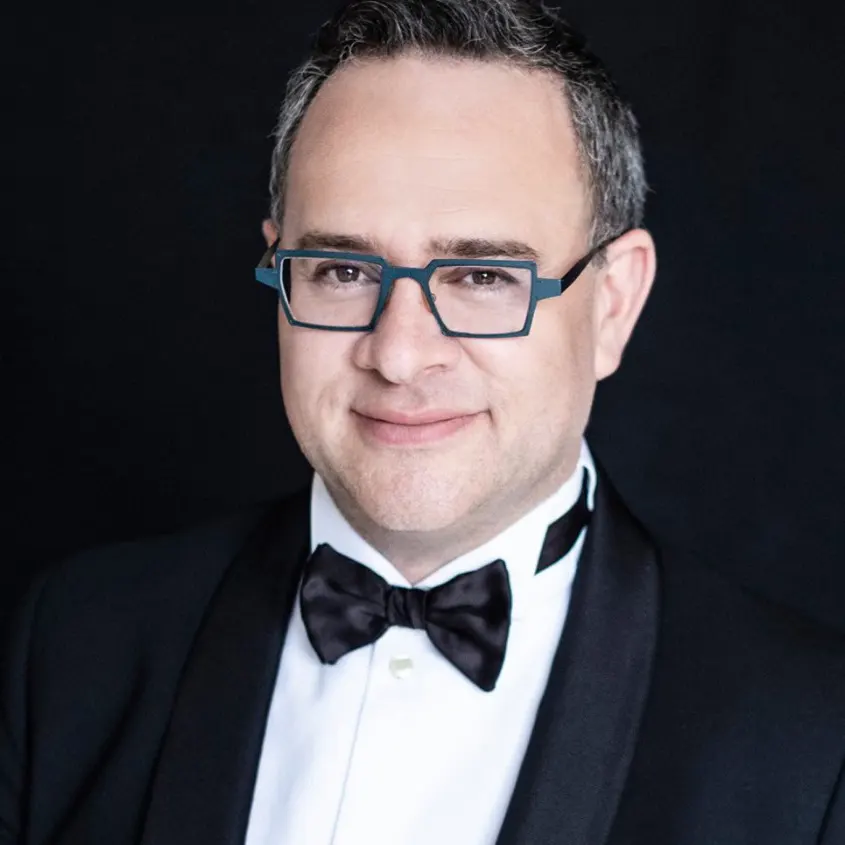
Patrick Carfizzi
Doctor Bartolo
San Diego Opera highlights: Dr. Bartolo in The Barber of Seville (Drive-In); Major-General Stanley in The Pirates of Penzance; Henry Kissinger in Nixon in China.
Recent and Upcoming: Don Bartolo in The Barber of Seville (San Francisco Opera, The Metropolitan Opera, Lyric Opera of Chicago); Sheldon Anapol in The Amazing Adventures of Kavalier & Clay (The Metropolitan Opera); A Sacristan in Tosca (Boston Symphony Orchestra, The Metropolitan Opera); Title role in Don Pasquale (Opera Theatre of Saint Louis); Donna Agata Scannagali in Viva la Mamma (Florentine Opera); Don Basilio in The Barber of Seville (Opera Theatre of Saint Louis); Leporello in Don Giovanni (Boston Baroque); Fra Melitone in La forza del destino (Müpa Budapest, The Metropolitan Opera); Sprecher in Die Zauberflöte (The Metropolitan Opera); Don Alfonso in Così fan tutte (Tanglewood).
Craig Colclough
Don Basilio
San Diego Opera debut.
Recent and Upcoming: Sir John Falstaff in Falstaff (LA Opera); Title role in Macbeth (Theatro Municipal de São Paulo); Gerhard in The Amazing Adventures of Kavalier & Clay (The Metropolitan Opera); Parson/Badger in The Cunning Little Vixen (Des Moines Metro Opera); Baron Scarpia in Tosca (Seattle Opera); Nick Shadow in The Rake’s Progress (Opera Omaha); Comte Capulet in Roméo et Juliette (LA Opera); Alberich in Götterdämmerung (Tiroler Festspiele Erl); Der Holländer in Der fliegende Holländer (GöteborgsOperan); Alberich in Siegfried (Omroep Muziek); Leporello in Don Giovanni (LA Opera).
Tasha Hokuao Koontz
Berta
San Diego Opera highlights: Annina in La traviata; Edith in The Pirates of Penzance; Frasquita in Carmen; The High Priestess in Aida; soloist in Ascension (Without Walls Festival); Frida 1 in El último sueño de Frida y Diego; Suor Genovieffa in Suor Angelica; Nella in Gianni Schicchi; Donna Anna in Don Giovanni.
Recent and Upcoming: Hana Hooper Ha’alilio in The Sheltering Tree (Hawai’i Opera Theater); Mimì in La bohème (Maryland Opera, Opera on the Avalon); title role in Tosca (Hawai’i Opera Theater, Ópera Nacional de Chile, South Bend Lyric Opera); Erste Dame in Die Zauberflöte (Central City Opera); Niña in Ainadamar (The Metropolitan Opera).
Joseph Calzada
Fiorello
San Diego Opera debut.
Recent and Upcoming: Doctor Grenville in La traviata (Opera San José); Morales in Carmen (Gulfshore Opera); Masetto in Don Giovanni (Livermore Valley Opera); 2nd Armoured Man in The Magic Flute (Opera San José); Don Alfonso in Così fan tutte (SFCM Opera Theatre); British Major in Silent Night (Wolf Trap Opera); Title Role in Gianni Schicchi (SFCM Opera Theatre); Barone Douphol in La traviata (Festival Opera); Zoroastro in Orlando (SFCM Historical Performance); Belcore in The Elixir of Love (Greek Opera Studio); Fiorello in The Barber of Seville (IU Opera Theater).
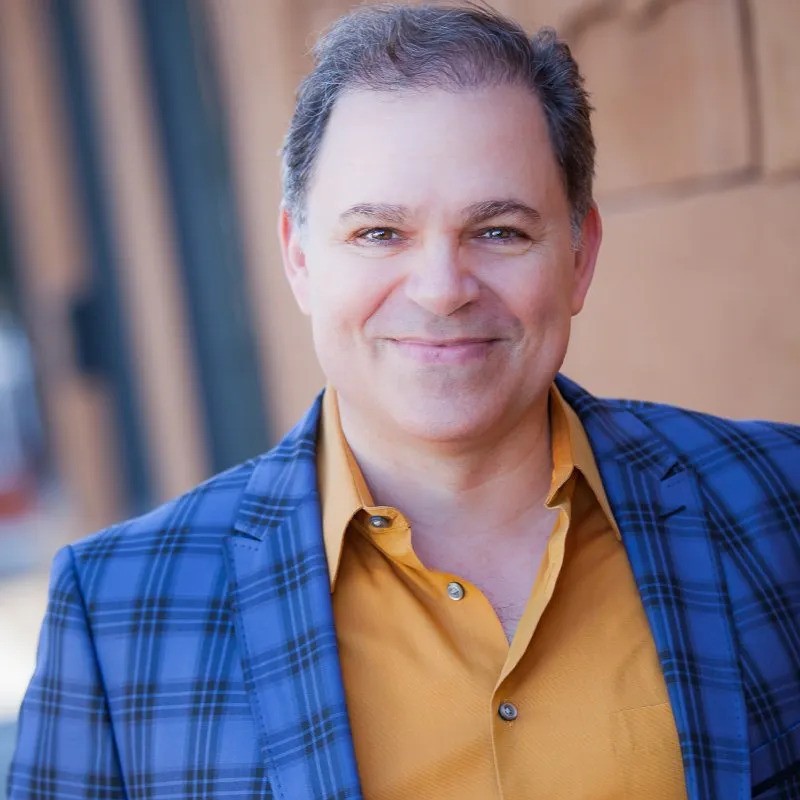
Phil Johnson
Ambrogio
San Diego Opera debut.
Recent and Upcoming: Artistic Director and founder of The Roustabouts Theatre Co., directing Master Class, True West, Looped, Hand to God, and Savoyard Murders. He’s acted at most San Diego theaters and in numerous original solo shows and ensemble roles in Les Misérables on Broadway and tour; Canadian production of Sunset Boulevard; and 1st National Co. of Miss Saigon.
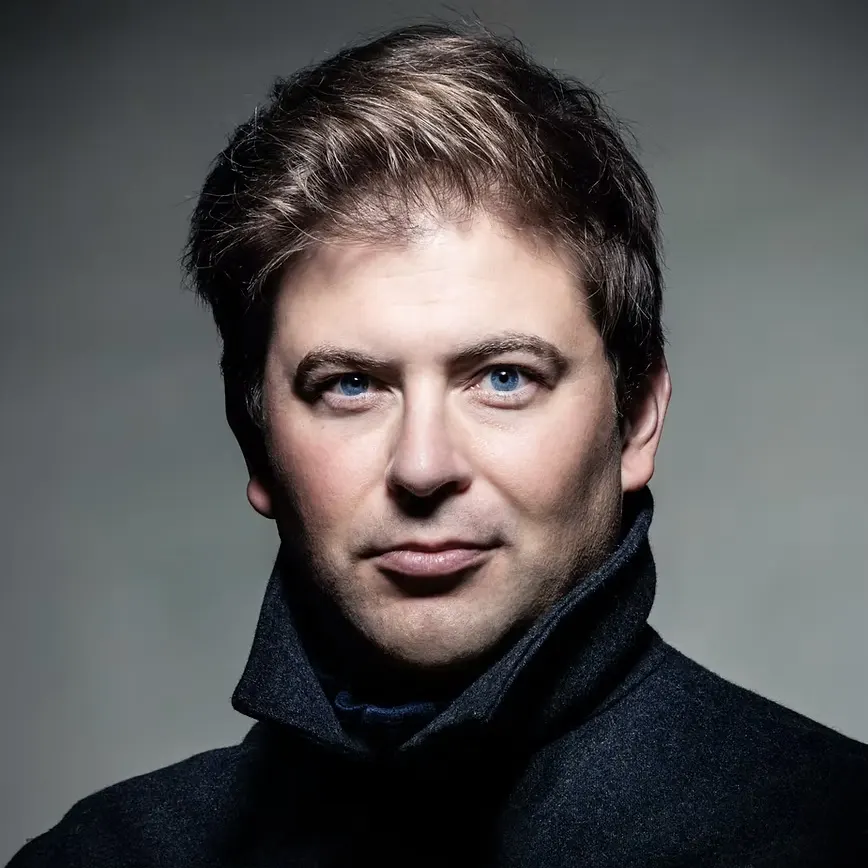
Yves Abel
Conductor
San Diego Opera Highlights: San Diego Opera Principal Conductor from 2020-present. Conductor – The Daughter of the Regiment; Pagliacci; Madama Butterfly; Carmen; Roméo et Juliette; Suor Angelica and Gianni Schicchi; Don Giovanni; Salome, La traviata.
Recent and Upcoming: Chief Conductor – Nordwestdeutsche Philharmonie, 2005 to 2021; Principal Guest Conductor – Deutsche Oper Berlin, 2005 to 2013; Conductor – Carmen (Royal Sweden Opera, Wiener Staatsoper); Mahler’s Symphony No. 5 (Opéra Nice Côte d’Azur); Roméo et Juliette (Canadian Opera Company); Turandot (Savonlinna Opera Festival); Dialogues des Carmélites (Teatro Regio Turin); La Damnation de Faust (Opernhaus Zürich); La fille du régiment (London’s Royal Opera Covent Garden); Armida (Rossini Opera Festival).
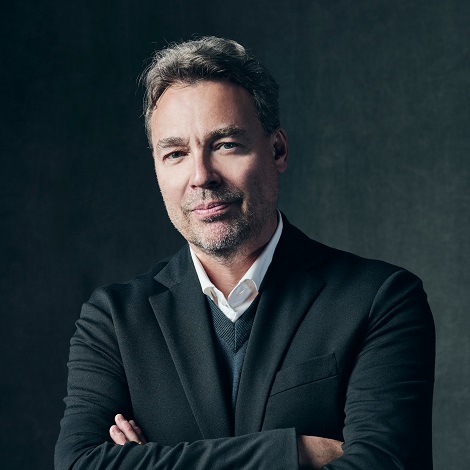
Chuck Hudson
Director
San Diego Opera debut.
Recent and upcoming: Stage Director – The Barber of Seville (Minnesota Opera, Annapolis Opera); Don Giovanni (Boston Baroque); La bohème (Fort Worth Opera, Florentine Opera, Hawaii Opera Theatre); Pagliacci (Pittsburgh Festival Opera, Opera San Jose); Ariadne auf Naxos (Arizona Opera); Don Pasquale (Pittsburgh Opera, Fort Worth Opera, Minnesota Opera, The Atlanta Opera, Cincinnati Opera, Arizona Opera); Aida (Opera Naples); Falstaff (Opera Saratoga); Carmen (Knoxville Opera).
Scenic Design
Tim Wallace
Lighting Design
Jason Bieber
Costume Design
Mathew LeFebvre
Hair and Makeup Design
Peter Herman
Resident Conductor/Chorus Master
Bruce Stasyna
Assistant Director
Nicolas Garcia
Costume Director
Christine Joly de Lotbiniere
Intimacy Director
Sierra Pia
Fight Director
Ben Cole
Diction Coach
Emanuela Patroncini
Stage Manager
Peter Nictakis
Supertitle Caller
Abigail Allwein
Assistant Stage Managers
Laurel McIntyre
Emily Holter
Musical Preparation
Bruce Stasyna
Production Assistant
Lia Bernhardi
February 13
Following the opera, we invite you to the Patron Lounge tent on the west side of the Civic Theatre for a Spanish-inspired meal, with dessert, wine, beer, soft drinks, and the delightful company of the cast. Tickets are now sold out, please contact events@sdopera.org for more information.
February 13, 14, and 15
Beat the traffic and get the most out of the performance at a free 25-minute talk in the auditorium 50 minutes prior to each opera performance. It’s a great way to learn about the opera and note what to listen for!
February 14 and 15
Immediately following the performance on Saturday and Sunday, join us in the Dress Circle seating section for an informative Q&A with San Diego Opera staff and cast members.
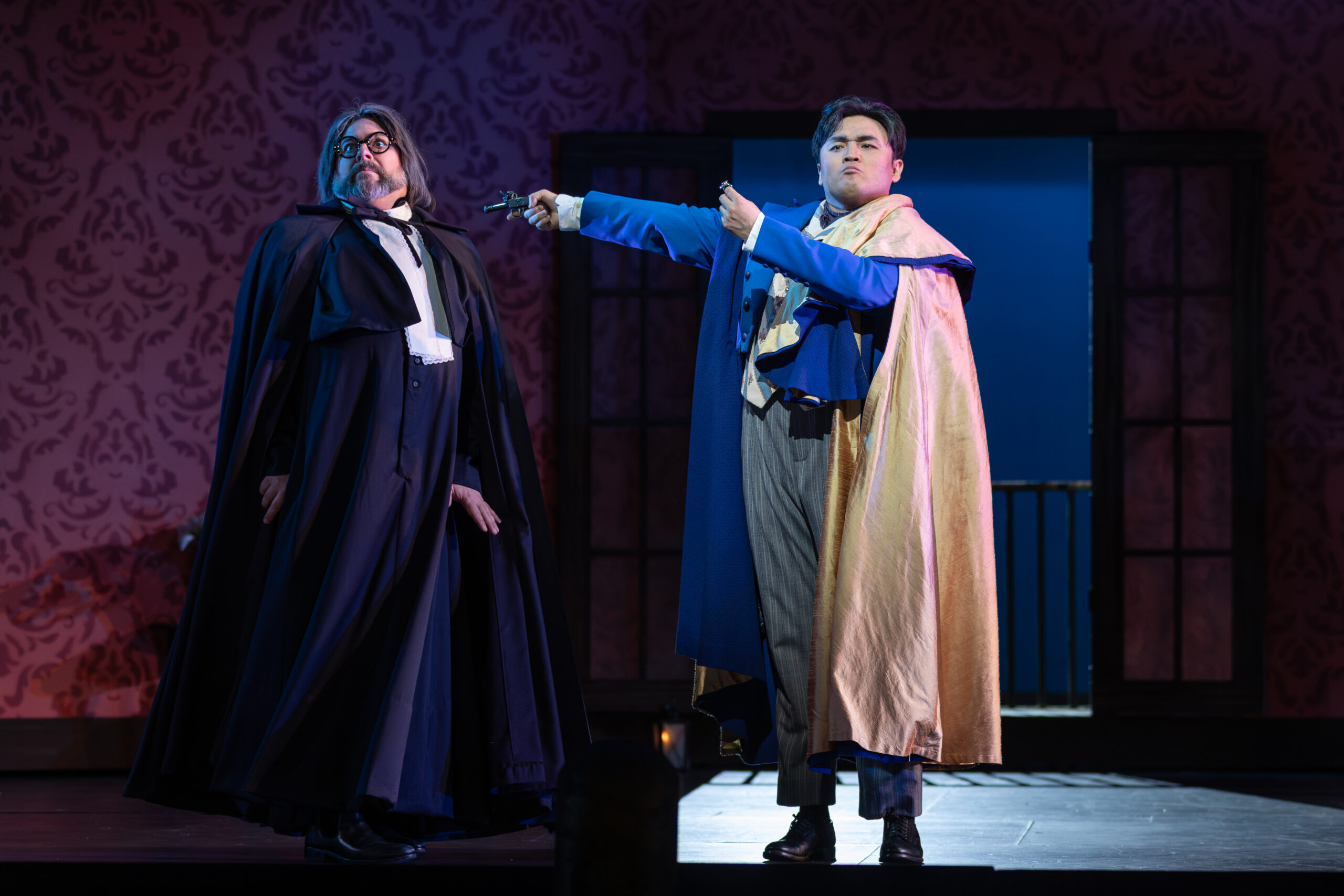
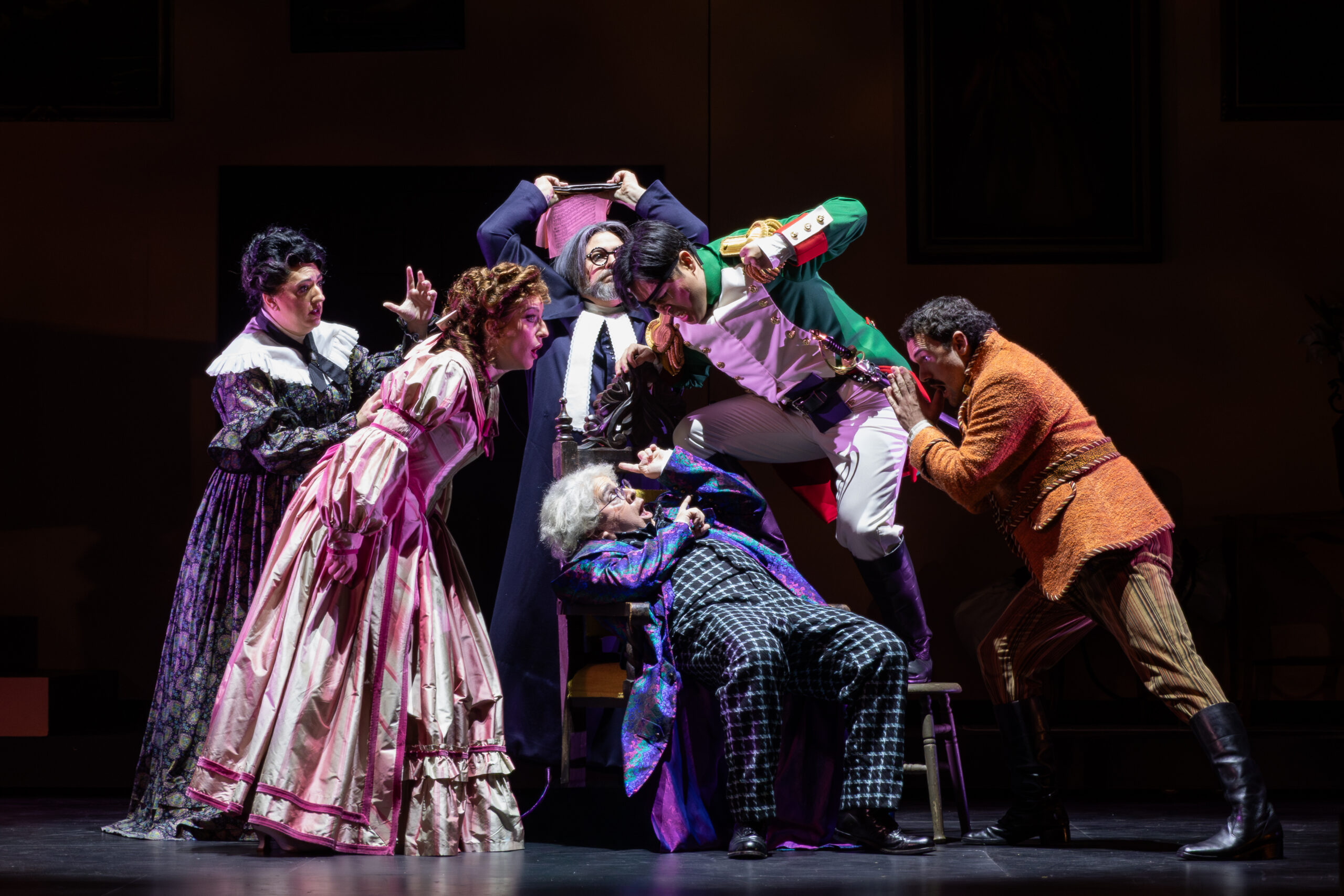
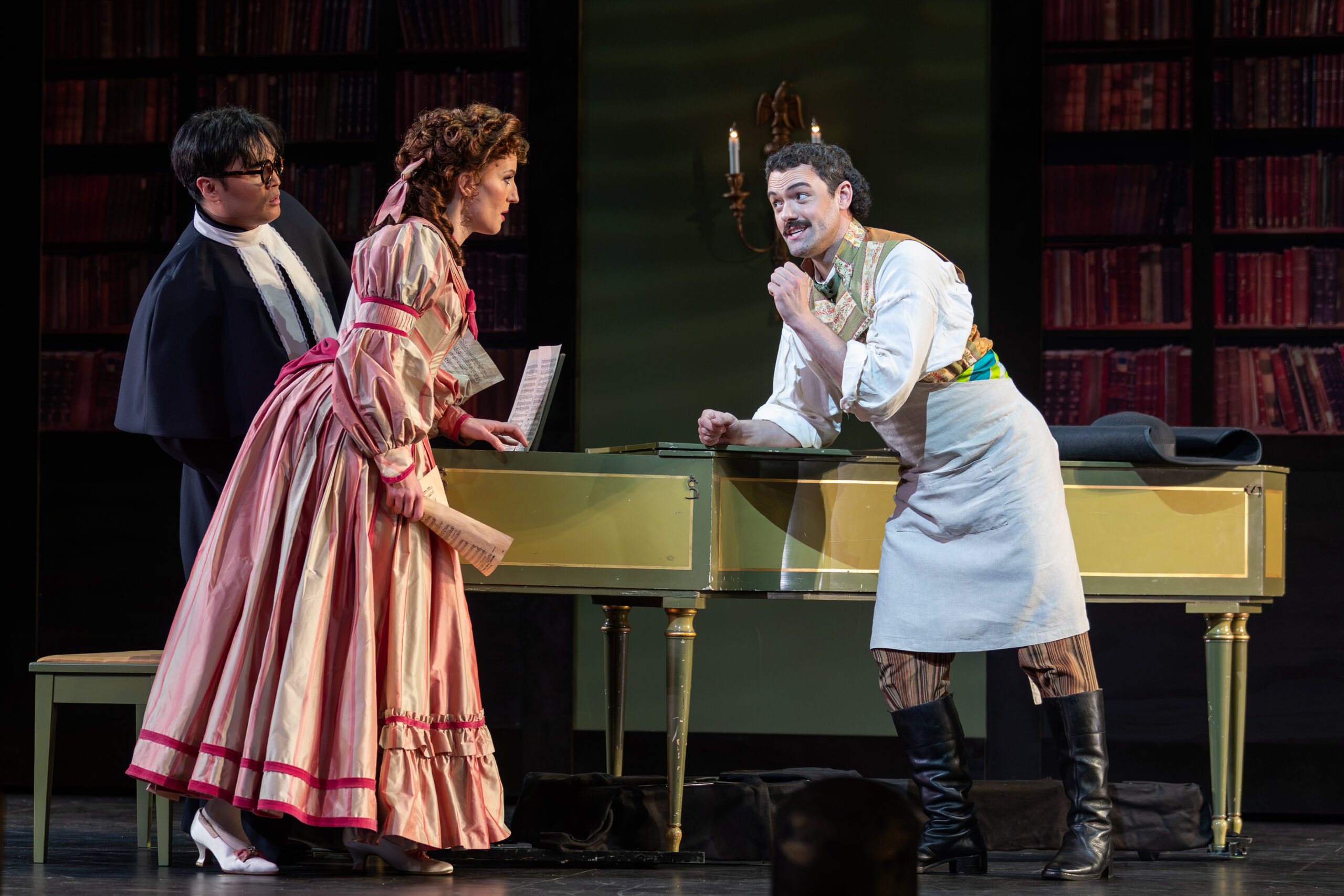
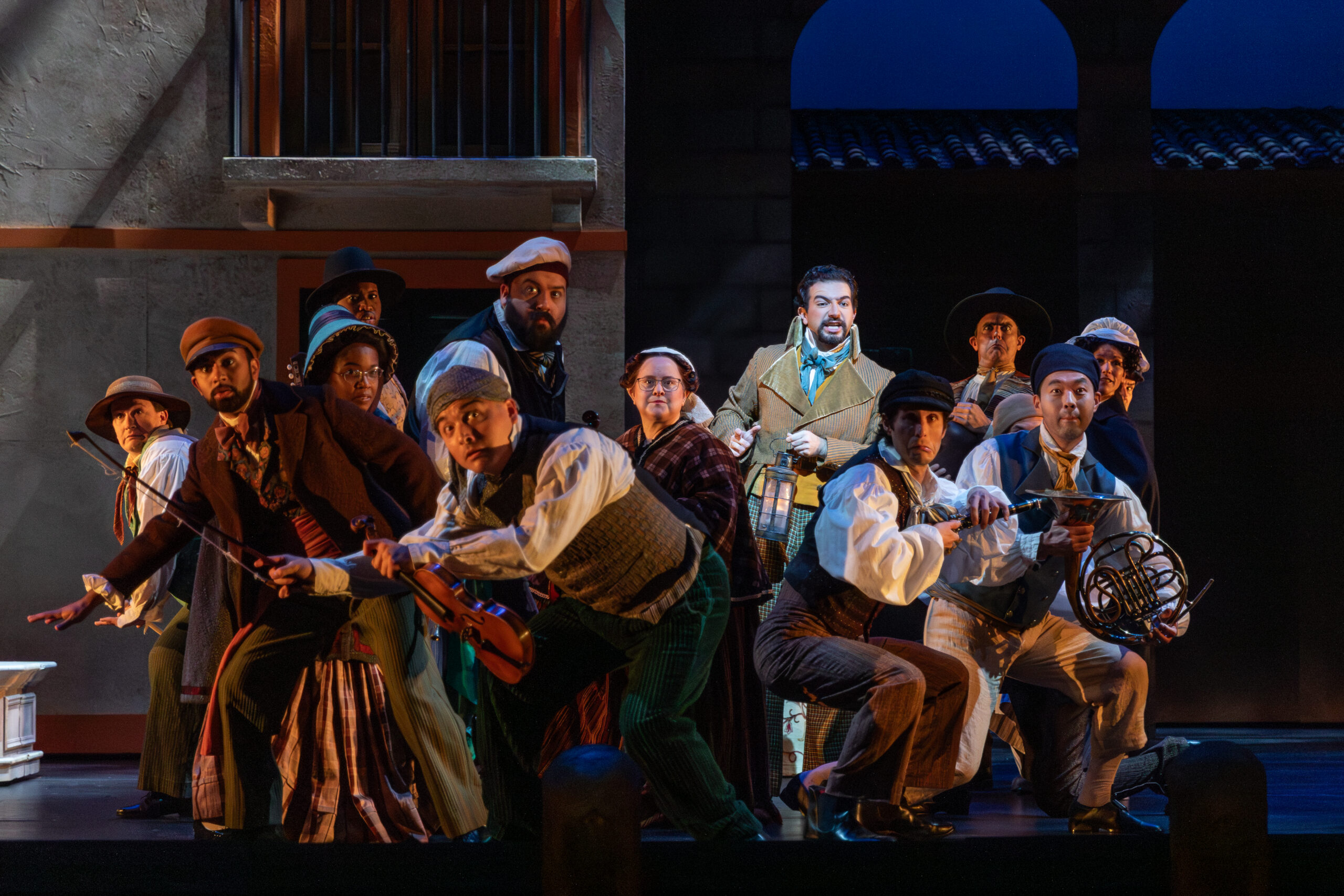
Photos by Karli Cadel.
Il barbiere di Siviglia (The Barber of Seville) is an operatic adaptation of Pierre-Augustin Caron de Beaumarchais’s French comic play Le Barbier de Séville.
Rossini’s opera opened on February 20, 1816, at the Teatro Argentina in the city of Rome. Its opening night was one of the most disastrous in the history of opera.
To begin with, though we now know it as The Barber of Seville, it opened as Almaviva, ossia L’inutile precauzione (Almaviva, or The Useless Precaution), out of respect for Giovanni Paisiello, who had already written a Barber of Seville opera in 1782. Paisiello was in his 70s when Rossini’s opera opened and a renowned figure in the world of Italian opera. Rossini’s new opera was seen as an affront to Paisiello’s legacy, and his fans packed the theatre and actively booed, hissed, and disrupted the performance.
If Rossini’s luck wasn’t bad enough, other mishaps made the evening even worse. Manuel Garcia, the singer playing the role of Count Almaviva, tripped and bloodied his nose. A cat wandered onto the stage, and a guitar string snapped during a serenade. Rossini, who was conducting the orchestra from the harpsichord, decided to stay home from the second performance.
But fortunately, the second night was a big success. The audience was enthusiastic, with no hecklers and no mishaps. Soon the opera was quite popular, even more popular than the Paisiello version. After Paisiello passed away a few months later, Rossini retitled his opera The Barber of Seville and revived the work in Bologna.
“Largo al factotum” is one of the most recognizable arias in The Barber of Seville, or all of opera for that matter. It is a cavatina (an entrance aria) that immediately establishes Figaro as a highly charismatic person in Seville, a man who thinks very highly of himself and is completely at home in the spotlight.
It has “Patter song” elements; it starts at a moderate tempo and builds to an extremely fast, tongue-twisting clip, as the orchestra races to keep up with the baritone singing the role. Because of its famous “Figaro! Figaro! Figaro!” lyrics, people sometimes mistakenly think it’s from Mozart’s opera The Marriage of Figaro.
Rossini composed the entire opera in an astonishingly short time. As legend has it, he composed it in just 12–13 days (or under three weeks at most), when he was only 23–24 years old. This speed was typical for him, but still remarkable for such a masterpiece.
Rossini recycled some music to save time, including reusing the overture from a previous opera, Aureliano in Palmira (1814). In fact, he also reused it in 1815 as the overture for his opera Elisabetta, regina d’Inghilterra (Elizabeth, Queen of England). This explains why the overture doesn’t reference any of the music from the opera.
The Barber of Seville is actually a prequel to Mozart’s The Marriage of Figaro. Both are based on plays by Pierre Beaumarchais. Rossini’s tells how young Count Almaviva woos and wins Rosina with help from the clever barber Figaro, while Mozart’s shows what happens years later when they’re married.
The opera is widely regarded as the pinnacle of opera buffa (Italian comic opera), full of fast-paced plots, disguises, mistaken identities, and hilarious ensemble numbers that perfectly match the comedy.
Opera buffa (Italian for “comic opera”) is a genre of opera that emphasizes humor, lighthearted plots, everyday characters, and witty, fast-paced storytelling. It originated in Italy in the early 18th century and became hugely popular throughout Europe during the Classical period.
Unlike serious operas, buffa focuses on ordinary people (servants, merchants, lovers, scheming barbers, etc.) dealing with love triangles, disguises, mistaken identities, social satire, and everyday mishaps. Plots often end happily with marriages or reconciliations.
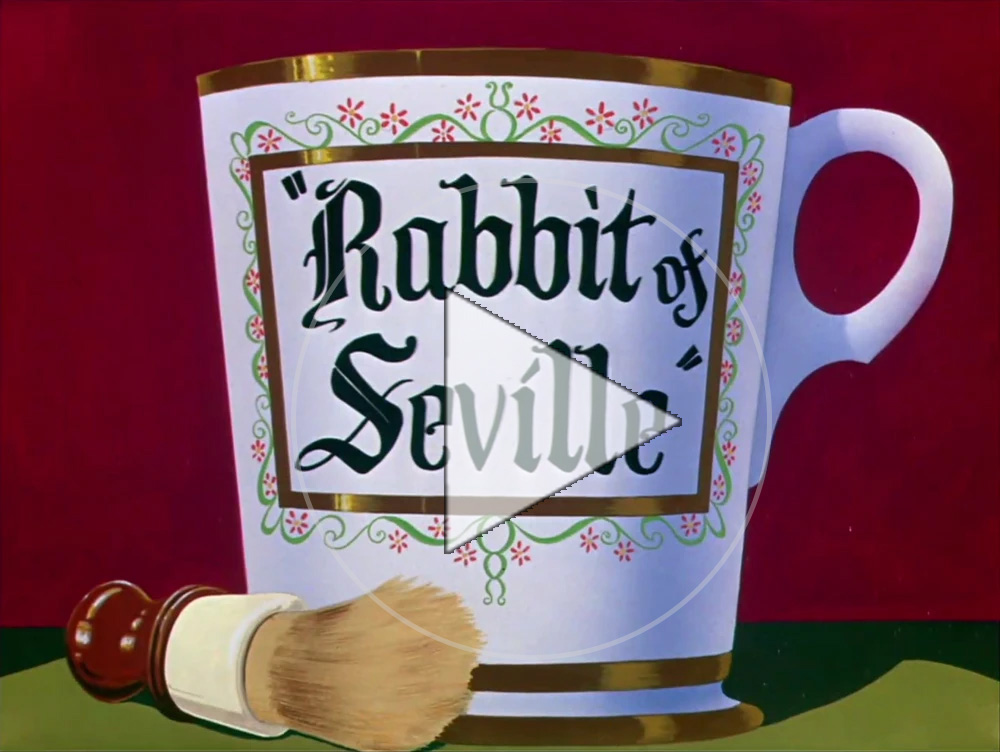
The Barber of Seville has been referenced many times in pop culture, even more than a century after its premiere. Without a doubt, the most iconic adaptation is the 1950 Looney Tunes short titled The Rabbit of Seville, directed by Chuck Jones. In the cartoon, Bugs Bunny takes refuge from rifle-wielding Elmer Fudd in an opera house that just happens to be presenting Rossini’s classic. Bugs deftly assumes the role of the barber, and torments customer Fudd with a variety of treatments. The cartoon short isn’t just widely regarded as one of the greatest Looney Tunes ever made. It also introduced millions to the music of The Barber of Seville.
Six years before The Rabbit of Seville, Walter Lantz Productions released the Woody Woodpecker short titled “The Barber of Seville.” In this classic wartime-era cartoon, Woody steps into an empty barbershop (its owner absent to take his army physical) and enthusiastically takes over as the barber, gleefully tormenting a series of hapless customers. Woody belts out a frenetic rendition of “Largo al factotum” while wielding razors, brushes, and foam in chaotic fashion, multiplying himself on screen during the rapid-fire lyrics and delivering one of the most frenetic and musically precise parodies of the era. Woodpecker’s Barber helped cement Rossini’s lively score as prime cartoon fodder, showcasing Woody at his mischievous, hyperactive peak and introducing the opera’s infectious melodies to audiences through pure slapstick anarchy.
Chuck Jones wasn’t done with Barber. In his 1964 Tom and Jerry short The Cat Above and the Mouse Below, Rossini’s opera again takes center stage. Tom, billed grandly as “Signor Thomasino Catti-Cazzaza Baritone,” performs “Largo al factotum” on an opera stage to an adoring audience, strutting with exaggerated operatic flair and belting out the rapid-fire lyrics in classic baritone style. Jerry, living directly beneath the stage floor, is repeatedly jolted awake by Tom’s booming voice and foot-stomping theatrics, turning the performance into a chaotic battle of wits. As Jerry sabotages the act—poking through the floorboards, yanking Tom’s tail, inflating his costume, and ultimately causing the stage to collapse—the cartoon masterfully syncs Rossini’s lively, accelerating melody to the escalating slapstick mayhem, with Tom’s increasingly frantic attempts to continue singing “Largo al factotum” amid the destruction.
In Seinfeld’s Season Five episode “The Barber,” Jerry faces a loyalty-versus-quality dilemma after his barber, Enzo, gives him an absurdly bad haircut that leaves him looking ridiculous. Afraid of hurting the older man’s feelings, Jerry secretly visits Enzo’s nephew Gino for a fix, but the plan spirals into farce when Enzo grows suspicious and recruits Newman to spy on Jerry’s comings and goings. The episode builds to a chaotic confrontation in the barber shop, complete with music from The Barber of Seville.
In the opening scene of Mrs. Doubtfire (1993), Robin Williams’ Daniel Hillard dubs a cartoon bird with an exuberant, pitchy rendition of “Largo al factotum.” The aria’s rapid, boastful patter mirrors Daniel’s own chaotic, multi-talented personality. This playful operatic nod foreshadows the film’s themes of disguise, improvisation, and clever scheming, instantly showcasing Williams’ comic energy and setting up the story’s heartfelt family chaos.
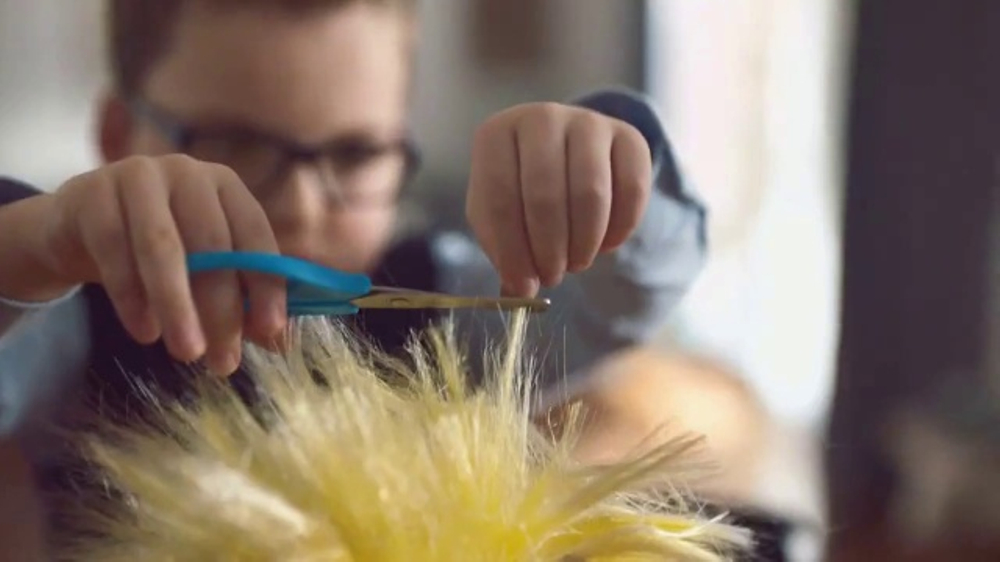
In the 2017 Swiffer Sweeper commercial “Hair Cuts on Hardwood Floors”, a kid playfully “barbers” a toy lion, scattering fluffy bits across the kitchen floor to the lively strains of “Largo al factotum.” The aria’s patter humorously echoes the chaotic haircut mess, while the Swiffer Sweeper swiftly cleans it up—tying the opera’s versatile fixer to the product’s efficient hard-floor cleanup.
Act I
A piazza in Seville, in front of Bartolo’s house. Count Almaviva, grandee of Spain, has seen a beautiful girl on the Prado in Madrid and has followed her to Seville in the disguise of a student. After serenading the girl below her window, he meets by chance his former valet Figaro in front of her house, and learns the girl is the ward of grumpy old Doctor Bartolo. Almaviva enlists Figaro’s help — for a handsome fee, of course — in freeing the lovely and spirited Rosina from her cage. He sings under her window, telling her he is the poor student Lindoro. The ever-inventive Figaro suggests sending the Count into the household disguised as a drunken soldier.
Rosina is determined to meet and conquer her suitor, despite Bartolo’s controlling ways and his equal determination to marry her expeditiously. When Figaro convinces her that she is indeed the beloved of his poor cousin “Lindoro,” she gives Figaro a letter to take to the boy. Meanwhile, Don Basilio, the music teacher, gets wind of the arrival of Count Almaviva in Seville, and warns Bartolo that they must spread some evil rumor about the Count to drive him away lest he come courting Rosina.
The Count comes courting indeed disguised as a soldier, demanding lodging and letting the astonished Rosina know with a wink that he’s beneath the military disguise. Bartolo refuses to billet him. The “soldier” becomes enraged. The police arrive to arrest him, but Almaviva secretly shows them proof of his identity and he is released, to the amazement of all.
Act II
Inside Bartolo’s house. Bartolo is lost in thought, “Might the soldier have been a spy?” A visitor enters and introduces himself as “Don Alonso” (Almaviva in disguise), arriving to give the girl a music lesson in place of Don Basilio, who he says is ill. Alonso gains Bartolo’s confidence by showing him Rosina’s letter to “Lindoro,” and offering to tell her that a mistress of Lindoro’s gave it to him, as a way to dissuade Rosina from her crush. Rosina comes out reluctantly, but again recognizing “Lindoro” beneath the disguise, is suddenly delighted to sing for the visiting teacher.
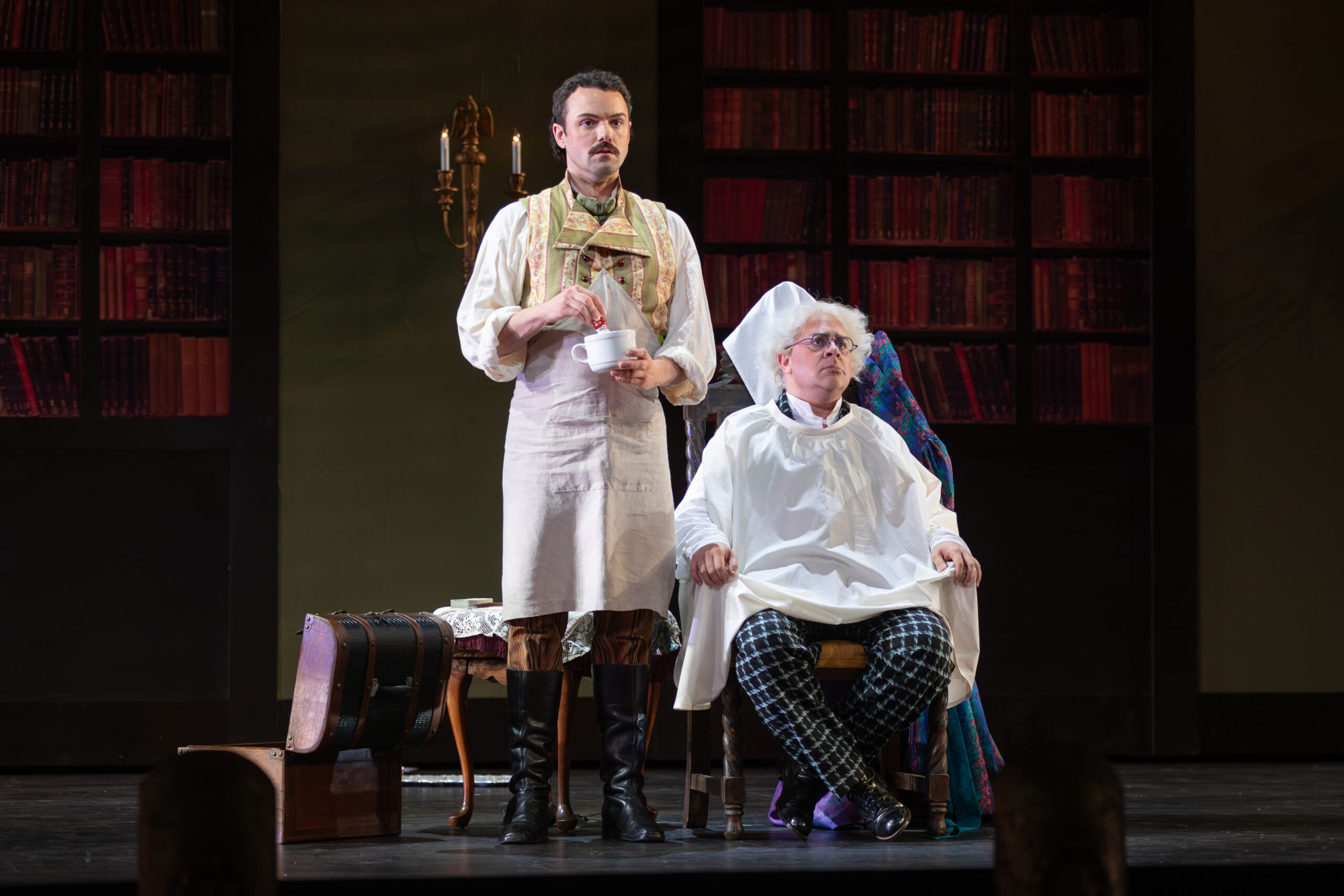
Figaro enters, ready to shave and trim Bartolo and contriving to get a key to Rosina’s balcony. But who should then appear but Don Basilio, in perfect health. Almaviva hastens the course of his illness with a quick bribe, and the others shoo him out. Almaviva whispers to Rosina that he and Figaro will come at midnight to whisk her away to wedded bliss. Bartolo overhears and, realizing he’s been tricked again, chases them all out in a fury.
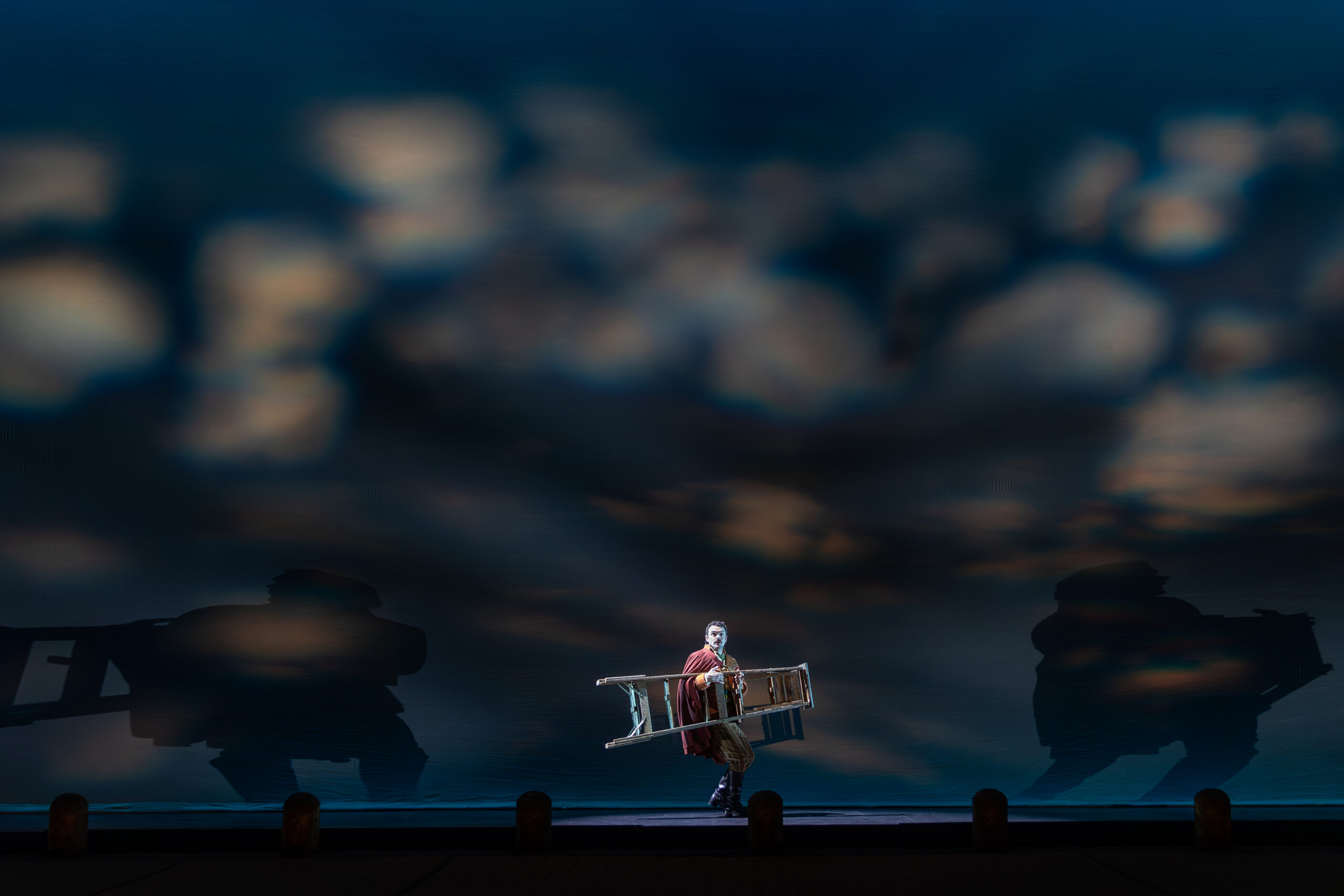
Later, Bartolo shows Rosina her own note to “Lindoro,” telling her the Count is merely toying with her. Rosina, thunderstruck, discloses the escape plan and agrees to marry Bartolo after all. At midnight, during a thunderstorm, Figaro and the Count arrive for the elopement, and a livid Rosina confronts them. It’s Lindoro she wanted, nothing to do with “your vile Count Almaviva.” The “vile” one reveals himself, and the three are overjoyed — but their joy turns to panic when Figaro realizes the ladder by which they entered has been moved. The doctor has foiled their escape.
A notary enters, followed by Basilio, who after another friendly financial inducement from the Count, agrees to serve as wedding witness. By the time Bartolo rushes back in, the deed is done, the girl has become a Countess and the dowry is the doctor’s to keep.
Love has triumphed and everyone’s good spirits are restored.
–by Lucy Yates for the Santa Fe Opera
Musician and educator Daniel Beliavsky, PhD, talks about and demonstrates how Rossini’s score makes Barber a completely different kind of opera.
Daniel Beliavsky, Ph.D., is an educator, concert pianist, music theorist, composer, and filmmaker. He has performed in Europe and throughout the United States both with orchestra and in recital — notable engagements include concerto performances with the Milwaukee and New Jersey Symphony Orchestras and the Moscow State Symphony Orchestra. His discography includes the world-premiere recording of composer Lukas Foss’s complete piano works, early works by Donald Harris and David Del Tredici, and music by J.S. Bach, Domenico Scarlatti, Franz Schubert, Frederic Chopin, and Modest Mussorgsky. Daniel’s recordings are available on all major streaming services.
Our ticketing system is currently down for maintenance. Please check back shortly.